Inherited Folder Permissions
When you grant a user permissions to a parent folder, by default the subfolders also inherit the same permissions; however, permissions can be adjusted at every folder level to ensure proper access controls.

If you have a single vendor, single cloud homogenous network where everything is documented, you know where every device is, and you know all the possible paths in your network, then you are a networking deity. Realistically, nobody has a “simple” and fully documented network. Mainly because enterprises grew over time with the organization.
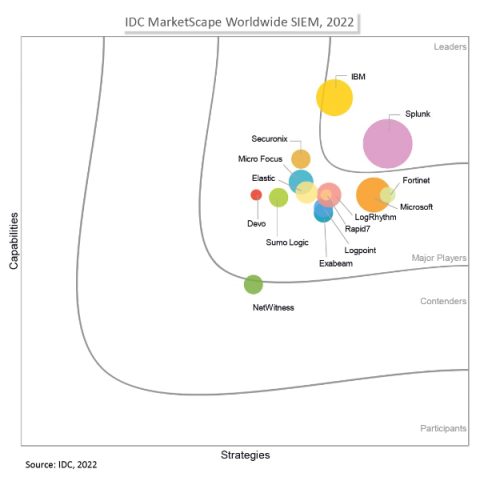
Splunk has been named a Leader in the IDC MarketScape: Worldwide SIEM 2022 Vendor Assessment (doc #US49029922, November 2022). We believe this recognition is a testament to our commitment to delivering a best-in-class, data-centric security analytics solution that helps our customers accelerate threat detection and investigations, and achieve cybersecurity resilience.
Today, as a part of our v27 software release, we are launching enhanced IDS rules management functionality, extending analyst visibility around hosts, devices, users, and more, and upgrading the Corelight Software Sensor to give customers more NDR deployment flexibility.
Credential stuffing is on the rise. The number of annual credential spill incidents nearly doubled between 2016 and 2020, according to the F5 Labs 2021 Credential Stuffing Report. Organizations need to be wary of sophisticated attackers or risk becoming a victim of a credential stuffing attack. As one of the most common account takeover techniques, your team must be equipped with the knowledge necessary to prevent this from happening.
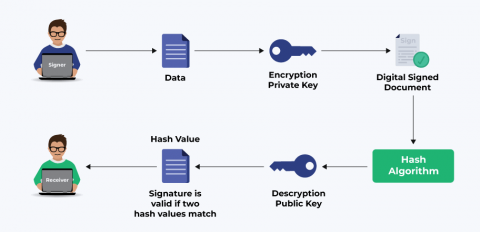
While we have all used digital security certificates like SSL/TLS, code signing certificates, or others, many don’t know the security technology behind them. Stringent security standards ensure that the cyber threats looming around us never get to our digital systems. Due to such threats, there’s a constant advancement happening in data security technology to protect sensitive information. Encryption and Signing are two methods used widely for data security.