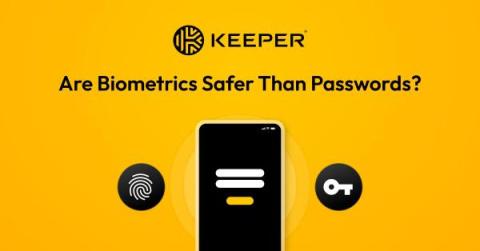
Are Biometrics Safer Than Passwords?

Biometrics are technically safer than passwords because they’re harder for cybercriminals to compromise or steal. Besides being more secure, biometrics are also phishing-resistant and more convenient to use than passwords. Read on to learn more about biometrics and why they’re considered to be more secure than passwords.
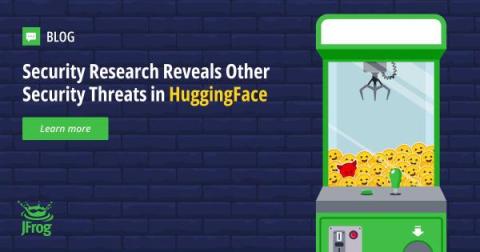
Data Scientists Targeted by Malicious Hugging Face ML Models with Silent Backdoor

In the realm of AI collaboration, Hugging Face reigns supreme. But could it be the target of model-based attacks? Recent JFrog findings suggest a concerning possibility, prompting a closer look at the platform’s security and signaling a new era of caution in AI research. The discussion on AI Machine Language (ML) models security is still not widespread enough, and this blog post aims to broaden the conversation around the topic.

Why Machine Identities Are Essential Strands in Your Zero Trust Strategy

Just like a snagged strand can ruin your garment, overlooking the security of machine identities can tear the very fabric of Zero Trust that protects your organization from bad actors. As a quick refresher, Zero Trust operates on the principle that no entity inside or outside the network perimeter is trusted by default. As we usher in an era where the traditional network perimeter has dissolved due to cloud services, remote work and mobile access, the necessity for Zero Trust becomes even more pronounced.

Monitor network attacks with Google Cloud Armor and Datadog

Network security services like Google Cloud Armor enable you to filter incoming traffic so that you can prevent attacks from overwhelming your system or from reaching critical components of your application. However, these services often handle threats automatically, making it difficult to gain visibility into attempted security breaches.

CrowdStrike and Intel Research Collaborate to Advance Endpoint Security Through AI and NPU Acceleration

At CrowdStrike, we are relentlessly researching and developing new technologies to outpace new and sophisticated threats, track adversaries’ behavior and stop breaches. As today’s adversaries continue to become faster and more advanced, the speed of enterprise detection and response is paramount. It is also a challenge for today’s organizations, which face mounting attack volumes amid a global shortage of cybersecurity practitioners.

Sumo Logic & Gigamon -- Three Top Security Use Cases

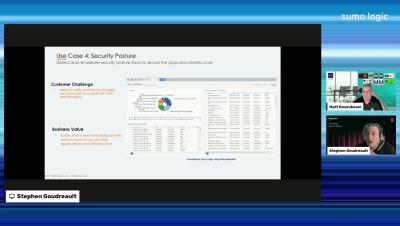
Together, Gigamon and Sumo Logic enable organizations to build an effective and efficient monitoring and security posture. Matt Rosenbaum, Partner Architect at Sumo Logic and Stephen Goudreault, Cloud Security Evangelist from Gigamon cover three top Security Use Cases for this integration. Security Posture Suspicious Activities Rogue Activities As premier AWS partners, you can find both Sumo Logic and Gigamon in the AWS Marketplace.

How REI built a DevSecOps culture and how Snyk helped

A few years ago, REI embarked on its digital transformation and cloud migration journey, moving on-prem development environments to AWS. But, as REI’s development teams began this transition, their security counterparts noticed that application security just wasn’t keeping up. As a result, REI began another journey: identifying the right security tooling and cultural shifts for AppSec success.