Fumbling with an app when you’re already stressed? We know the struggle. Also, is it just us, or does it always happen when you’re already having a bad day?
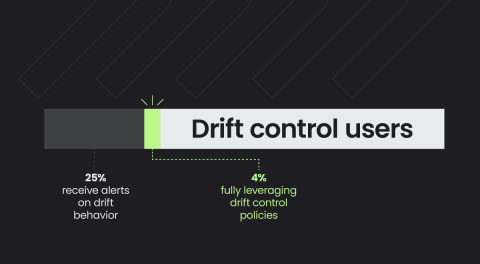
DIE is the notion that an immutable workload should not change during runtime; therefore, any observed change is potentially evident of malicious activity, also commonly referred to as Drift. Container Drift Detection provides an easy way to prevent attacks at runtime by simply following security best practices of immutability and ensuring containers aren’t modified after deployment in production.
Artificial intelligence (AI) is now present in almost every aspect of our lives. However, its influence is particularly relevant in the field of cybersecurity, where it impacts both defense and attack. While it has become a great tool to protect an organization's digital assets, it has also been weaponized by cybercriminals to spread and execute increasingly sophisticated and difficult to detect cyberattacks.
Together, JFrog and Qwak instill governance, transparency, visibility, and security into every facet of the development and deployment lifecycle for ML models. From managing dependencies to ensuring compliance and optimizing storage, this integration empowers your organization to embrace the future of machine learning with confidence and efficiency. Watch this demo for an overview of the integration.
As organizations grow and more endpoints are added across the enterprise, they create an increasingly broad attack surface sophisticated attackers are looking to compromise. According to the 2019 Endpoint Security Trends Report 70% of breaches originate at the endpoint¹. That is likely because endpoints typically represent the Intersection between humans and machines creating vulnerable points of entry for cybercriminals. This is why it is increasingly important to secure your endpoints.
Cybercriminals often use spoofing attacks to disguise themselves as a familiar face or legitimate business to trick people into revealing sensitive information. They use a variety of techniques such as creating fake websites or emails. Some of the different types of spoofing attacks include call spoofing, email spoofing, website spoofing and IP spoofing. Continue reading to learn more about spoofing attacks, the seven common types of spoofing attacks and how to stay protected from them.
The realm of artificial intelligence (AI) unfolds like a captivating story, constantly introducing groundbreaking tools and methods that redefine possibilities. Retrieval-augmented generation (RAG), a technology that empowers applications to glean relevant information from vast datasets and utilize it for various tasks, is a prime example of this advancement.