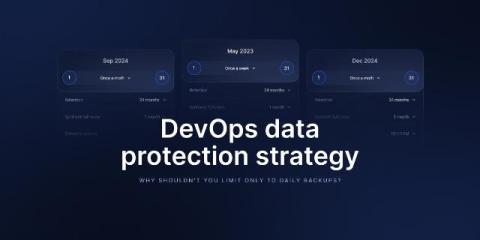
Your DevOps data is in constant growth… every hour your team of developers pushes changes, merges branches, or does some fixes. This requires your backup strategy to be flexible and adaptive, catching all the changes in your DevOps environment not only on a daily basis.
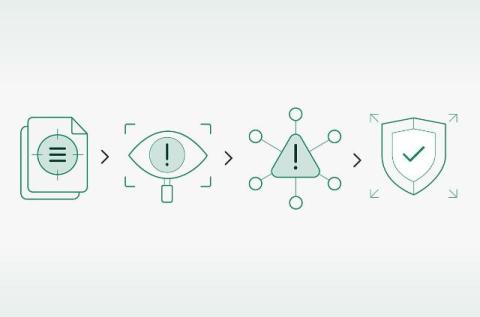
File Integrity Monitoring (FIM) is a key intelligence and audit tool in an advanced security portfolio. While it is a logical component to integrate into your Security Orchestration, Automation, and Response (SOAR) tooling, it’s important to consider your approach to ensure you can gain the most benefits from it.
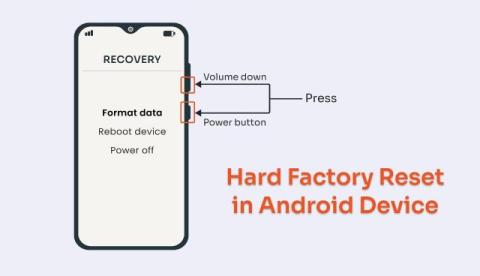
Keeping your Android work devices safe from unwanted factory resets is really important for businesses today. Let’s learn how Mobile Device Management (MDM) can help prevent the misuse of Android work devices from unauthorized hard and soft resets, making it an easy way to protect your data and keep everything working smoothly!
Risk-based vulnerability management (RBVM) is an approach that focuses on prioritizing vulnerability remediation based on risk. RBVM prioritizes remediating vulnerabilities that pose the greatest risk to an organization. While some organizations depend solely on independent scoring methodologies like CVSS or EPSS, effective RBVM takes into consideration the business criticality of assets and ties in threat intelligence to make prioritization decisions.
The systems in place to manage software vulnerabilities are often overwhelming and ineffective. But that can change if teams enlist their end users to remediate vulnerabilities.
Each October, Cybersecurity Awareness Month reminds us of the ongoing battle to safeguard our data. It’s a time when individuals and organizations alike focus on the importance of cybersecurity, igniting conversations and actions to protect against the relentless surge of cyber threats. This annual event is a call to arms for IT professionals and security-conscious individuals to elevate their practices and fortify their defenses.
Indicators of Compromise (IOCs) are vital components in cybersecurity, representing digital clues or evidence that signal a potential security breach or malicious activity in a computer system or network. Think of them as the fingerprints left behind by cybercriminals during or after a cyber-attack. Examples of common IOCs are: Security teams use IOCs as red flags to identify and mitigate threats before they cause significant damage.
Cloud computing revolutionizes how organizations approach data security and threat prevention. The transformation of traditional security measures into cloud-based solutions marks a significant shift in protecting sensitive information and maintaining business continuity.