DORA Compliance Checklist: Essential Steps for Successful Implementation

DORA is an EU-based regulation that is going to be effective from January 17, 2025. It is a digital security framework that works alongside the General Data Protection Regulation (GDPR) to provide strong security protection to financial entities and ICT service providers from cybercrimes. Generally, every financial entity and ICT service provider inside or outside the EU that does business with the EU entities has to comply with DORA.
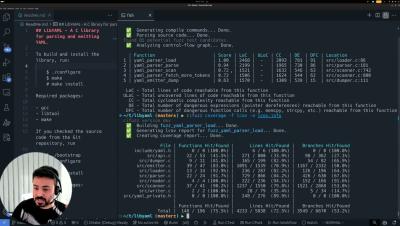
Step 1.2. How to identify best targets for fuzzing based on a coverage report

If you want to automate your code analysis to identify the best fuzzing targets, you can do so with CI Fuzz. In the previous video, Khaled demonstrated how CI Fuzz automatically prioritized functions to test. But what if you already have unit or fuzz tests? CI Fuzz can analyze an LCOV coverage report and identify less-covered functions. These functions will now receive higher scores, highlighting them as top targets for new tests.

How to Apply the NIST Framework to Your Mobile Security Strategy

If mobile devices aren’t a high priority in your security posture, they should be. About two-thirds of employers consider smartphones “critical to agility and speed of decision-making,” and some would even consider phasing out PCs entirely. As a starting point, consider using the National Institute of Standards and Technology (NIST) cybersecurity framework. This set of guidelines from the U.S.

Operation Magnus: Analyzing the cybercrime community reaction

International cooperation has become crucial to disrupt the operations of malicious cybercrime actors. A prime example of this is ‘Operation Magnus’ which has showcased the effectiveness of global collaboration in tackling sophisticated threats. By dismantling their infrastructure and exposing key players, Operation Magnus not only delivered a significant blow to cybercriminals but also sent shockwaves throughout underground forums and dark web communities.

5 Reasons You Should Consider Relooking Your DLP Strategy

Companies across industries have invested a lot of money in Data Loss Prevention (DLP) solutions, thinking these would help protect important data and comply with regulatory mandates like GDPR, HIPAA, and PCI DSS. But as the world of cybersecurity is changing constantly, many companies are realizing that their traditional DLP solutions and strategies aren’t equipped to keep up with growing threats and business needs.

Disable Secure Boot in Windows: A Step-by-Step Guide

Usually, the secure boot option is turned on by default with your Windows server PC, but there are some cases when it is already disabled. To confirm and to disable secure boot you need to open device settings from Windows Security Center and see that if the option exists. If you see this Secure Boot option there, it means that secure boot is enabled on your device otherwise disabled. Now we will talk about a step by step guide on how to disable secure boot: 2.

CMMC Mobile Security: A Guide to Compliance for Enterprise Organizations

Just about every organization works with some amount of sensitive information, but the defense industry’s information is more sensitive than most. That’s why the United States Department of Defense (DoD) created the Cybersecurity Maturity Model Certification (CMMC). This cybersecurity model helps protect controlled data in the defense industry — and, by extension, the military personnel who rely on that data to stay productive and safe.

CMMC 2.0 Explained: What You Must Know For 2025

With the final CMMC rule published, here’s a summary of everything you need to know for your CMMC Level and when. Another step closer. After more than seven years in the making, the US Department of Defense (DoD) finalized a rule establishing the Cybersecurity Maturity Model Certification (CMMC) program and outlining how it will work. The final program rule was published in the Federal Register on 15 October and will go into effect on 16 December.