The Future of AI Regulation: Balancing Innovation and Safety in Silicon Valley

California Governor Gavin Newsom’s recent veto of SB 1047, a proposed AI safety bill, has sparked a hot debate on the balance between innovation and regulation in the artificial intelligence (AI) space. California has over a dozen AI related bills that have been signed although this bill sought to establish rigorous safety testing requirements for large-scale AI models and introduce an emergency "kill switch" for situations where systems might become dangerous.
Secure Gen AI With Role-Based Access Control (RBAC)

Generative AI (Gen AI) has transformed how businesses handle data and automate processes. Its ability to generate human-like content and analyze massive datasets has unlocked new opportunities. However, these capabilities also introduce significant data security risks. Unauthorized access, data misuse, and breaches are growing concerns. Role-Based Access Control (RBAC) is a critical solution for mitigating these risks.

Human Factors in Cybersecurity in 2025

Humans are often regarded as the weakest link in a cybersecurity program. Whether resulting from manipulative cybersecurity tactics or limited cybersecurity awareness, human errors remain the most prevalent attack vectors in every information security program, no matter how sophisticated your cybersecurity stack may be.

A White Hat's 2024 Reflections: Cybersecurity Insights and Lessons

As 2024 comes to a close, today, I’m reflecting on some of the key events and trends that shaped my offensive security research this year. From publishing my first book to writing regular blogs on some of cybersecurity’s hottest topics, each piece has contributed to a clearer understanding of the evolving digital landscape.

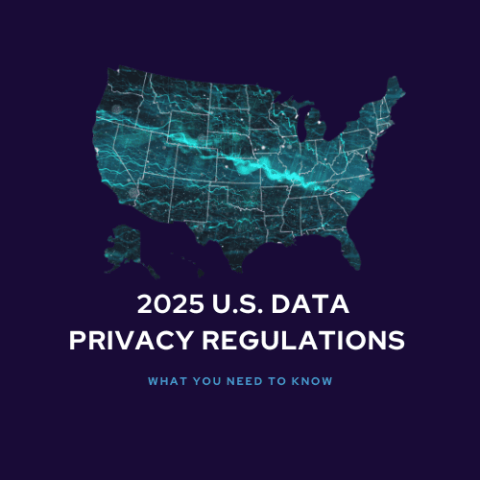
What You Need to Know About 2025 Data Privacy Regulations in the U.S.

In an era where data breaches make headlines almost weekly and cybercrime costs businesses billions annually, states across the U.S. are taking decisive action to protect their residents’ sensitive information. From California’s groundbreaking privacy laws to New York’s rigorous cybersecurity requirements for financial institutions, state-level regulations are rapidly evolving to address the complex challenges of digital data protection.

Microsoft 365 security practices complete guide

Microsoft 365 is now an important tool for businesses and organizations around the world. It has a full set of productivity and collaboration apps. However, with the increasing reliance on this platform, the need for robust security practices has also become more critical. Cyberthreats are constantly evolving, and it is imperative for organizations to stay updated with the latest security measures to protect their data and systems.

Just-in-Time (JIT) Access vs Just Enough Privilege (JEP)

The main difference between Just-in-Time (JIT) access and Just Enough Privilege (JEP) is that JIT access focuses on how long access is granted, which is only on an as-needed basis. On the other hand, JEP focuses on what access is granted. Although both strategies minimize the risk of standing privileges, JIT access and JEP function in different ways with different priorities. Continue reading to learn more about JIT access, JEP, their key differences and how they work together in access management.