Sysdig Secure DevOps Platform available on Red Hat Marketplace
Sysdig is pleased to announce that the Sysdig Secure DevOps Platform is now available through Red Hat Marketplace.


Sysdig is pleased to announce that the Sysdig Secure DevOps Platform is now available through Red Hat Marketplace.
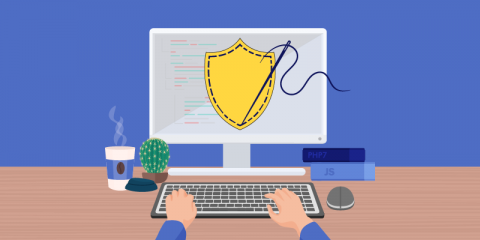
Many software developers tend to see patch management as another tedious security task that gets in the way of the development process. However, considering Forresters’s recent State of Application Security Report for 2020 predicted that application vulnerabilities will continue to be the most common external attack method, patch management is a critical part of the vulnerability management process that organizations can’t afford to neglect.
In today’s economy, digital assets (applications, data, and processes) determine business success. Cloud-native applications are designed to iterate rapidly, creating rapid time-to-value for businesses. Organizations that are able to rapidly build and deploy their applications have significant competitive advantage.
Web vulnerability scanners crawl through the pages of web applications to detect security vulnerabilities, malware, and logical flaws. They do this by generating malicious inputs and evaluating an application’s responses. Often referred to as dynamic application security testing (DAST), web vulnerability scanners are a type of black-box testing; they perform functional testing only and don't scan an application’s source code.
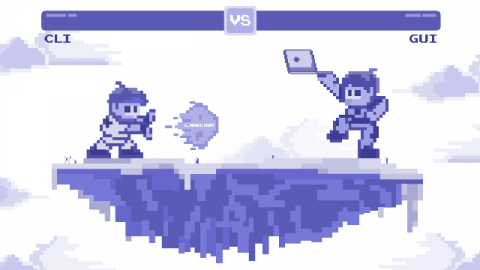
“Ev, do you have time later today to discuss the new web GUI for the command line terminal?” said the Slack message. It came from Alex, our user experience chief and the product in question is the SSH client. Part of me was worried. The command line environment had a sanctuary where I found peace and happiness away from the world of browser-based tools.
Free and open source software (FOSS) components have become the basic building blocks of our software products, helping today’s developers build and ship innovative products faster than ever before. Many developers tend to forget that while open source licenses are free, they still come with a set of terms and conditions that users must abide by.