Mailchimp
Not subscribed to OpsMatters Newsletter


Over the past year or so, organizations have rapidly accelerated their digital transformation by employing technologies like cloud and containers to support the shift to IoT and address the expanding remote workforce. This digital shift calls for a new approach to asset visibility as traditional asset administration responsibilities like inventory, software support, and license oversight are often the purview of IT and addressed with IT inventory-focused tools.
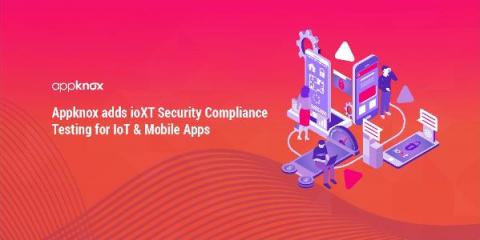
Appknox, a leading enterprise mobile application security solution provider has announced a partnership with ioXt, a global standard for IoT security and standardization of security, privacy, and compliance programs. With the alliance, Appknox will enforce the clients with a Security Pledge that focuses on the security of stakeholders, and devices in the IoT environment.
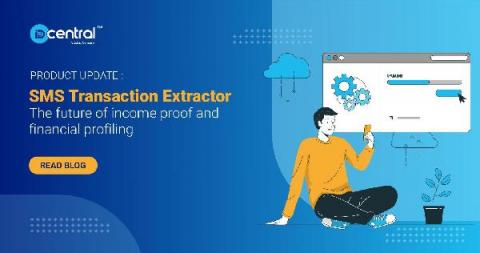
With our continuous pursuit to help businesses reduce the blind spots in business metrics, we have come up with yet another feature that will prove to be the richest source of financial data, i.e SMS TxN Extractor. SMS was believed to be a dead market until people began to understand the reliability. Apart from the concept of reliability of SMS messaging, texts are quick, cost-effective and results can very quickly be analyzed.
The Australian Cyber Security Center (ACSC) strongly advises against paying ransoms of any amount to cybercriminals. In some circumstances, these payments could even be illegal. The Australian government is tightening its cybersecurity regulations to align with the United State's new stance on nation-state threats. As a result, there have been significant changes to how Australian businesses are expected to respond to cyberattacks.
The percentage of open source code in the enterprise has been estimated to be in the 40 percent to 70 percent range. This doesn't make the headlines anymore, but even if your company falls in the average of this range, there is no dearth of work to do to clean up, comply with AppSec policies, and ship the product. Phew! So where do you start when it comes to resolving all the vulnerabilities uncovered in your open source libraries?
Digital transformation is at the heart of every industry. There are no longer any industries that are immune to the rapid adoption of this movement. When we think of the construction industry, we may think back to an image of ironworkers sitting over a city and enjoying a lunch break on a construction beam. However, rapid digitalization has transformed the construction industry and will continue to drive change and encourage innovation.
We have a saying at Splunk. It goes something like “if you’re ever having a bad day, go and talk to a customer”. What organizations around the world are doing with their data and Splunk brings a huge smile and an eyebrow raising, positive “can’t quite believe you’ve done that” very-impressed nod of the head. That’s never more true than with our security customers.