Mailchimp
Not subscribed to OpsMatters Newsletter


Ransomware. Nearly every day, we learn about another major attack on companies such as JBS, Kaseya, and Quanta, a key supplier to Apple. Along with the increase in attacks, recent reports have shown the average ransomware recovery cost skyrocketed to $1.85 million this year. And, as companies have become more willing to accept attackers’ ransom demands to restore their mission-critical operations, the average ransomware payment has jumped to more than $170,000.
I’m a security analyst at Orange Business Services in Paris, and one of my current projects for the Orange Group is implementing a new SIEM based on the Elastic Stack. In this blog post, I’ll share why we chose Elastic and how we were able to integrate Elastic into our existing SIEM, resulting in faster investigations and saving our engineers’ time. So follow along.
It’s no secret that Covid-19 has accelerated the number of cyber-attacks and data breaches witnessed across the globe. Increased reliance on technology as the world worked, shopped and socialised from home increased the surface area for attackers, who capitalised on a growing amount of PII (personally identifiable information) available across the internet.
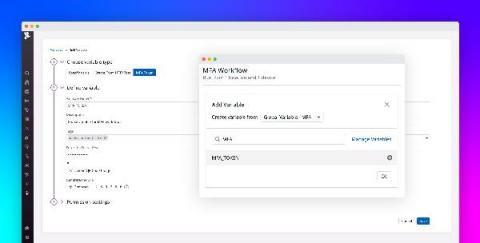
Multi-factor authentication (MFA) is an increasingly popular method for securing user accounts that requires users to provide two or more pieces of identifying information when logging into an application. This information can consist of unique verification links or codes sent to the user’s phone or email address, as well as time-based one-time passwords (TOTPs) generated by authenticator applications or hardware.
The connected nature of business environments has increased the severity and frequency of cyberattacks in the insurance sector. Insurance companies face a greater threat than most industries because they deal with sensitive and valuable data stemming from numerous avenues. This has resulted in several high-profile cyberattacks on insurance providers over the past few years.
We are pleased to announce that we have expanded our training offerings with the addition of a brand-new AT&T Cybersecurity Training (ACT) learning portal, which is part of AT&T Cybersecurity Training-as-a-Service.
In the first part of this blog series, we explored deploying Amazon EKS with Terraform, and looked at how to secure the initial RBAC implementation along with securing the Instance Metadata Service. In this second post, we’ll look at more best practices to harden Amazon EKS security, including the importance of dedicated continuous delivery IAM roles, multi-account architecture for Amazon EKS cluster isolation, and how to encrypt your secrets in the control plane.