Mailchimp
Not subscribed to OpsMatters Newsletter


Google Forms is one of the preferred tools used by cybercriminals to quickly set up and deliver phishing pages. We have seen examples of Google Forms pages mimicking Microsoft Office 365 logins (one of the preferred imitated applications), financial institutions like American Express, and in general any applications. Despite the naïve layout, the tool is flexible enough to build an (un)realistic login page with few clicks.
The recent flurry of supply chain attacks has left a trail of carnage spanning across the globe Because supply chain attacks compromise a higher number of victims with less effort, cybercriminals are unlikely to forgo this efficient attack method without a fight.
As a result of the Covid-19 pandemic, organizations in all industries ramped up their digital transformation efforts to make online operations easier for their employees and customers. But with more and more organizations online, the digital attack surface is growing at a record pace. The more applications with vulnerable code, the more opportunities for a cyberattack. In fact, our research found that 76 percent of applications have at least one security vulnerability.
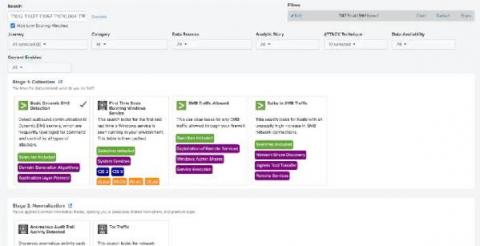
Continuing to ride the waves of Summer of Security and the launch of Splunk Security Cloud, Splunk Security Essentials is now part of the Splunk security portfolio and fully supported with an active Splunk Cloud or Splunk Enterprise license. No matter how you choose to deploy Splunk, you can apply prescriptive guidance and deploy pre-built detections from Splunk Security Essentials to Splunk Enterprise, Splunk Cloud Platform, Splunk SIEM and Splunk SOAR solutions.
Threat intelligence provides valuable insight into contextual business risk. You can gain insight into threat actors targeting your industry or information from your organization located on the Dark Web. According to one report, 79% of security professionals find threat data feeds essential to their organization’s cybersecurity posture. Additionally, 63% of respondents noted that they use feeds to ensure a better defense.