Security | Threat Detection | Cyberattacks | DevSecOps | Compliance

DPDP Rules, 2025: A Guide to Digital Personal Data Protection

The notification of the Digital Personal Data Protection (DPDP) Rules, 2025, marks a major turning point in how businesses in India collect, use, and safeguard personal data in the digital ecosystem. Together with the Digital Personal Data Protection (DPDP) Act, 2023, these Rules create a rights-based, consent-driven framework that places citizens at the centre of data processing while still enabling responsible innovation and growth in the digital economy.

Blocking USB Devices and Whitelisting Authorized Peripherals with DLP

Data Loss Prevention (DLP) is all about keeping your business data safe from getting leaked, lost, or accessed without admin permission. It protects, identifies, analyzes, and blocks unauthorized data transfers within the network and through connected devices and outbound emails. DLP enforces company policies, preventing users from sharing confidential information. It further allows organizations to set USB restrictions to protect sensitive information at every stage of operations.

Top Software Supply Chain Security Best Practices for Enterprises

If an attacker compromised a dependency buried three levels deep in your build pipeline tonight, how long would it take you to find out? Open source libraries, third-party frameworks, transitive dependencies, build tooling, and now AI-generated code that developers may not have reviewed line by line: each of these components flows into your application, whether your team explicitly chose it or not. Each component is a potential entry point.

What Is SIM Swapping - And How to Stop It From Happening to You

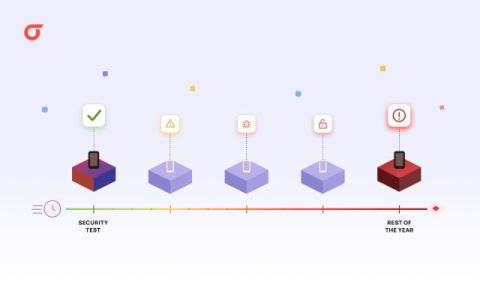
That moment your phone suddenly goes dark — no signal, no texts, no calls — could be more than a network issue. SIM swap scams are a growing form of identity theft where criminals impersonate you to your mobile carrier, hijack your phone number, and use it to bypass SMS-based security on your bank, email, and social accounts.

What's New in ggshield 1.52.x - honeytoken plant, ARM Linux support, and one line install scripts

ggshield 1.52.0 and 1.52.2 bring several practical updates for teams securing AI-assisted development workflows. This release adds honeytoken plant, a command for adding local decoy AWS credential profiles Also, GitGuardian AI hooks installation will guide you through any issues you might encounter. As well as better macOS Keychain handling before hooks run in non-interactive agent sessions. The release also adds standalone Linux ARM builds and new one-line install and uninstall scripts for Linux, macOS, and Windows.

GitGuardian Smart Notifiers: Filter Incident Alerts by Risk, Severity, and More

Every secret leak matters, but not every incident needs the same level of alerting. GitGuardian’s new Smart Notifiers let teams define per-channel rules so notifications are only sent for the incidents that matter most, using filters like severity, ML risk score, validity, secret type, and GitGuardian tags. This is available now for custom webhooks, Slack, and Microsoft Teams. We will be adding support for ServiceNow, Jira, Splunk, PagerDuty, Discord, and broader email filtering coming next.

TITAN AI Demo Series: How AI Agents Automate KEV Remediation

Most security teams find out about a critical vulnerability after it's been added to CISA's Known Exploited Vulnerabilities (KEV) catalog. By then, the clock is already running. In Episode 3 of SecurityScorecard's Demo Tuesday series, see how TITAN AI Agents automate KEV remediation workflows — so your team spends less time triaging and more time closing exposures. Watch to learn how to: Instantly identify which vendors in your ecosystem are exposed to KEV-listed vulnerabilities.

What the Cloudflare Outage Says About Changes Made Under Pressure

Observability is not the problem anymore. The data that tells you a change will break something usually already exists. Most teams have the events, the logs, the configuration history. What is missing is the step that turns all of it into a clear yes or no on a specific change, while there is still time to pull it. Garrett Hamilton, CEO of Reach Security, on objective data and the changes that get made before anyone checks.