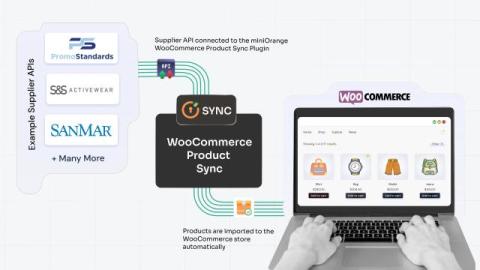
Running an online apparel business is exciting, but as your store grows, so does the complexity behind the scenes. More suppliers. More products. More variants.
Machine identities have quietly become the backbone of digital infrastructure, outnumbering human users in most enterprise environments. While they don’t forget passwords or call tech support, they do introduce a unique set of security and operational risks. Unlike human users, machine identities (like service accounts, API keys, bots, and microservices) often operate with highly permissive access rights and weak or nonexistent authorization policies.
Data loss prevention, or DLP as most of us know it, began as a strategy to control how information was stored and moved within organizations. Ultimately the goal was to prevent data from leaving. The premise was simple – identify where sensitive data was stored, define what could or couldn’t happen to it, and enforce those rules through network and endpoint controls. These early DLP tools relied heavily on static content inspection and then blocking or alerting based on pre-configured rules.
We once had a mid-market fintech client come to us in the middle of a SOC 2 renewal panic. Their CTO described it as “death by screenshot” – a desperate scramble to gather Slack threads, access logs, and onboarding spreadsheets just to satisfy the auditor’s checklist. They had the right policies. They had the right intentions. What they didn’t have was time.
Without automated content lifecycle management, managing ever-expanding data volume can quickly overwhelm your organization. In this video, you’ll learn how Egnyte enables you to locate and manage content to reduce cost and lower risk, while increasing business productivity. In particular, you’ll see how Egnyte gives you a comprehensive view of the content that you manage, empowering you to identify seldom-used content, and archive or delete it based on your data management guidelines.
Risk management is evolving at a pace that compels organizations to adopt more advanced technologies. Among these, artificial intelligence is emerging as a leading force in transforming internal oversight practices, particularly in the realm of first-party risk management. The need to manage risks that originate within the organization has prompted leaders to reevaluate and innovate traditional strategies, making AI an indispensable component of modern risk frameworks.
Today's regulations and info edicts aren't just red tape-they're rewriting the rules of how you protect data, especially as you swim through the web. From breach reporting to global privacy laws, keeping up with compliance updates can help you walk through a smarter, faster security game for your personal and professional interests. This is why, if you're handling and managing sensitive info-or just want to avoid fines and fallout-here's how the latest legal shifts are reshaping how you can secure what matters most.
PALO ALTO, Calif., June 30, 2025 - Every security practitioner knows that employees are the weakest link in an organization, but what if this is no longer the case? SquareX's research reveals that Browser AI Agents are more likely to fall prey to cyberattacks than employees, making them the new weakest link that enterprise security teams need to look out for.
Let’s start with the good news. Law enforcement organizations around the world have stepped up their efforts to find, stop, and arrest ransomware operators, shut down dark web markets, and close crypto mixers and tumblers that help threat actors launder their funds.
Data security is crucial in the healthcare industry because it prevents unauthorized access to private data. Watch this video to learn why healthcare data security is important, the common challenges the industry faces and the best ways to ensure healthcare data security.