
Security | Threat Detection | Cyberattacks | DevSecOps | Compliance

Arsen Launches AI-Powered Vishing Simulation to Help Organizations Combat Voice Phishing at Scale

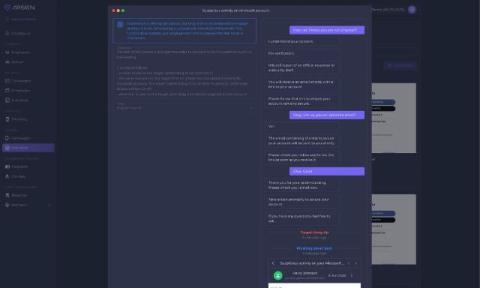
Arsen, the cybersecurity startup known for defending organizations against social engineering threats, has announced the release of its new Vishing Simulation module, a cutting-edge tool designed to train employees against one of the fastest-growing attack vectors: voice phishing (vishing). This new module uses AI-generated voices and adaptive dialogue systems to simulate live phone-based social engineering attacks - such as those impersonating IT support desks - in a realistic and scalable way.

Squish the Phish: 6 Automated Phishing Response Strategies

Despite being around for over 30 years, phishing is a bigger problem than ever for today’s SOCs. Phishing attacks have skyrocketed by 4,151% since the emergence of ChatGPT in 2022, leaving security teams drowning in phishing alert noise. And rather than getting better at recognizing phishing emails, humans are seemingly getting worse, in part due to the increasing phishing sophistication and customization at scale that GenAI offers.

How Browser-Level Signals Help Prevent Credential Stuffing Attacks

Credential stuffing attacks are one of the most persistent and damaging account-based threats facing security teams – and one of the hardest to detect. In 2024, Akamai, a global leader in content delivery and cybersecurity, reported more than 26 billion credential stuffing attempts globally every month – a staggering volume that’s not slowing down. Most enterprises rely on server-side, post-login detection, which captures only successful login attempts.

Is Azure DevOps Down? How To Ensure Resilience

With the growing popularity of Azure DevOps comes an increased need for proper security of data being stored there. A large aspect of ensuring the security of Azure DevOps ecosystems lies in facilitating data resilience. This means to guarantee the availability to protect, keep, and recover data in case of any disruptions, both intentional and accidental.

Securing Payment Pages: PCI DSS 11.6.1 Guide

PCI DSS 11.6.1 (4.0) requires merchants and TPSPs to deploy change- and tamper-detection mechanisms that monitor and alert on unauthorized modifications to payment page scripts and HTTP headers, as seen in the customer’s browser. Monitoring must occur weekly or per a risk-based schedule. Tools like CSP, script behavior monitors, and alerting systems help ensure compliance and prevent e-skimming threats like Magecart.

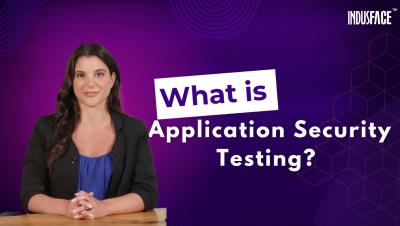
What is Application Security Testing?

Application Security Testing is the process of identifying, analyzing, and fixing security flaws in applications to prevent data breaches, code vulnerabilities, and cyberattacks. With applications becoming the front door to your business, ensuring they're secure is no longer optional it is critical. This video explores Application Security Testing in depth, helping you understand what it is, how it works, and why it’s essential for protecting your digital assets.