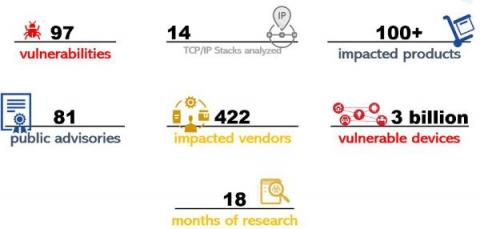
Project Memoria is the largest study on the security of TCP/IP stacks. The idea for this project emerged in May 2020 while collaborating with JSOF on Ripple20. Our researchers understood that the problem with TCP/IP stacks was much deeper and more widespread than initial research had suggested. We hypothesized that similar issues to those identified in Ripple20 could be present in other stacks as well.
https://goteleport.com/docs/setup/guides/fluentd/
0:00 Intro
0:35 Forwarding events with Fluentd
6:54 Setting up ElasticSearch
11:02 Setting up FluentD
14:02 Viewing events in LogStash
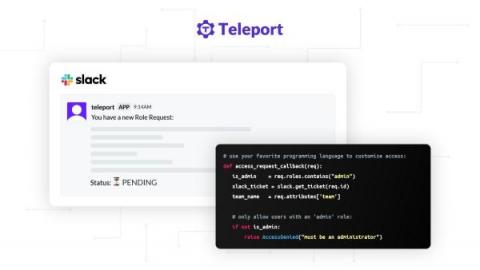
Customers are increasingly looking for just-in-time access to infrastructure. Imagine there is a production outage and a senior SRE needs to login to a production server to diagnose and fix the issue. In this organization, on-call SREs have elevated access to production systems, but when they are off-duty, their privileges are reduced. When the Pager Duty alert goes off, our on-call SRE ssh’s into the server but after several minutes of looking, can’t diagnose the issue.
Cyber insurance has great potentials in improving cybersecurity practices and protecting organizations against the impact of security incidents, but these potentials “have yet to fully materialize.” This is the key highlight of a recent report developed by the Royal United Services Institute for Defence and Security Studies (RUSI) and the University of Kent in the UK. The report provides a comprehensive list of recommendations for both governments and organizations.
Cybersecurity regulations were long viewed as an esoteric afterthought, even as technology exploded into every corner of our lives. But that's no longer the case, as governments and businesses seek to get a better grip on privacy regulations and data protections. At Egnyte, we track legal and regulatory trends closely so we can better serve our customers and respond to changes. Based on those observations, here are our cybersecurity regulation predictions for 2022.