Let's be blunt, External Attack Surface Management (EASM) has run its course. It's now all about External Exposure Management (EEM).

Part of our two-part series on the evolution from EASM to EEM. This post introduces the core shift from visibility to real-world exposure validation and why the legacy approach to external risk is no longer enough. External Attack Surface Management, or EASM, was once revolutionary. It gave organizations their first real visibility into the sprawling digital footprint created by cloud adoption, remote work, and third-party services. But the threat landscape has evolved. And EASM has not kept up.


Fintech compliance: A guide to risks and regulations in 2025

While fintech has helped streamline operations for financial institutions and everyday consumers, it has also introduced new risks that you must account for. According to the CyberCube Global Threat Outlook H1-2024, fintech is one of the top five sectors with the highest exposure to cybersecurity threats.

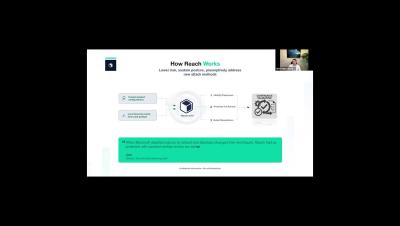
How Reach Security Works (Step-by-Step Breakdown by CRO Jared Phipps)

What does Reach actually do — and why does it matter? In this short breakdown, CRO Jared Phipps explains how Reach connects to your existing security tools — EDRs, firewalls, email gateways — to identify hidden exposures and guide real-world fixes. Reach doesn’t add another dashboard. It operationalizes the ones you already have — showing you what to fix, why it matters, and the impact each action has on risk and users.

6 Months After re:Inforce: Which AWS Security Updates Actually Matter for SMBs

AWS re:Inforce 2025 delivered a flood of security announcements back in June. Simplified AWS WAF consoles. New Shield network posture management. Integrated CloudFront security. The headlines promised that enterprise-grade security finally became accessible to mid-market companies. Six months later, the hype cycle is over.

Active Roles ranked #1 Active Directory Solution

We are excited to share that Active Roles is on a roll with multiple rankings awarded this quarter! We thank our loyal customers for using our product and making sure the world knows about the security, efficiency and cost-saving benefits they have achieved with it.

SOCast: No Shortcuts - A Discussion on Cyber Resilience

Why do people take shortcuts in security, and how can we prevent them? Join us for a special live episode of Arctic Wolf SOCast as our experts unpack the psychology behind risky security behaviors and explore how AI is influencing decision-making in today’s workplaces. We’ll also reveal new data on how IT leaders and employees are using tools like ChatGPT and other generative AI platforms, and what that means for your organization’s security posture.

How to monitor MCP server activity for security risks

The Model Context Protocol (MCP) is a popular framework for connecting AI agents to data sources, such as APIs and databases. Because this technology is still new and evolving, its security standards are also in the early stages. This means that MCP servers are susceptible to misuse, so teams building and running them internally need visibility into server interactions to keep their environments safe from attacks.

How to Secure Your Umbraco Website with Two-Factor Authentication (2FA)?

Umbraco is known for being a powerful, flexible, and user-friendly CMS. But like any content management system, its BackOffice and Member login portals can be easy targets for cybercriminals. Let’s see how you can protect your Umbraco website using 2FA security.