Internet Exposure as a Critical Layer of Context in Vulnerability Management

During a recent video interview, we spent time unpacking a deceptively simple question: what actually makes a vulnerability critical? Severity scores, exploitability, and asset importance all factor into the answer. But one layer of context consistently changes the urgency of a finding more than most teams expect: internet exposure. The difference between a vulnerability that exists and one that matters often comes down to whether an attacker can reach it.
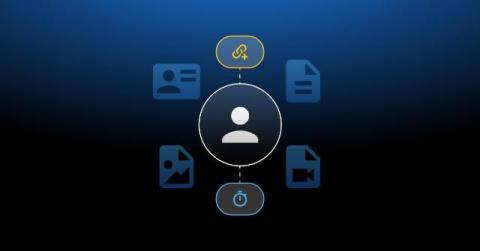

How One-Time Share Works in Keeper

Teams, friends and family members often need to share access to accounts, but traditional methods like email, text messages or screenshots expose sensitive information and create lasting risk. Keeper’s One-Time Share works by creating a secure, device-bound link that allows temporary access to a record while keeping credentials encrypted and fully protected. This approach enables fast, secure sharing without requiring the recipient to create a Keeper account or gain ongoing access to your vault.

CVE-2026-25639: Axios Vulnerability Triggers DoS in Node.js Applications

A newly disclosed vulnerability tracked as CVE-2026-25639 puts Node.js applications using Axios at risk of remote Denial-of-Service attacks. By sending a specially crafted configuration object, attackers can trigger a fatal runtime error inside Axios’s internal request handling logic, causing the Node.js process to crash instantly.

Why Your Security Stack Is Blocking AI (And How to Fix It)

Sr. Technical Content Strategist Hockey has a saying that describes the problem security organizations face when trying to integrate AI:"You have to skate to where the puck is going, not where it has been". Think of the modern security stack. It's a fragmented architecture built layer by layer over decades. Tools are siloed, some overlapping, some operating in black boxes, and others that no one remembers installing.

How to Integrate Breach Notification into Your Incident Response Plan

Operational disruptions, regulatory mandates and reputational risks now make data breach notification a strategic necessity. To ensure breach notification is truly impactful, it must be seamlessly integrated into an organization’s incident response plan, for timely, compliant and coordinated communication following cybersecurity incidents.

How incident.io and Apono Enable Just-in-Time Access for Incident Response

Picture this: it’s 2am, your pager goes off, and you’re staring at a production database that’s on fire. You know exactly what’s wrong. You know exactly how to fix it. But you can’t touch anything because you’re waiting on someone to approve your access request. Meanwhile, your customers are down, your SLAs are bleeding out, and you’re refreshing Slack, and every minute you spend waiting is another minute of damage you could’ve prevented.

Why CISOs should prioritize continuous control monitoring in 2026

In a recent roundup of strategic initiatives for CISOs, I argued that continuous assurance is the 2026 operating model. Across all ten initiatives, the pattern was clear. Security is no longer being evaluated by effort, it’s being evaluated by outcomes. Boards, customers, and regulators are no longer asking what tools you deployed or how busy your security team is. They are asking a simpler, harder question: Can you prove that your controls are working right now?

Autonomous Service Desk: Possible NOW - Tanium Tech Talks #155

Meet the autonomous service desk - powered by live endpoint intelligence. See how ServiceNow NowAssist + Tanium deliver agentic triage, real‑time diagnostics, and guided remediation the moment an incident hits. Agentic triage kicks off instantly when an incident is created Real-time endpoint intelligence beats assumptions every time Confidence‑scored root cause analysis reduces investigation from hours to minutes The power of bounded autonomy (strong guardrails + powerful automation)