Why compliance breaks at scale and what modern AppSec looks like

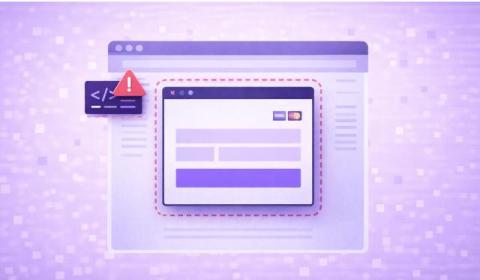
Compliance once lived on a calendar. Teams prepared for it in advance, reviewed it periodically, and treated it as a milestone separate from engineering work. That model no longer holds. Mobile applications now ship continuously. Features move weekly. Fixes land daily. Every change, no matter how small, alters the security and privacy posture of the organization. In this environment, compliance cannot trail development. It has to move with it, embedded into how software is built, tested, and released.

PunchOut Integration with Shopify: Everything You Need To Know

B2B buyers today expect corporate procurement to feel as seamless as shopping online on any modern ecommerce store, but with the higher control, stronger compliance, and streamlined approval workflows their companies require. They don’t want to toggle between supplier websites, manually handle product details, or deal with pricing inconsistencies.

How Modern AppSec Teams Stay Audit-Ready Without Slowing Delivery

Compliance once followed a schedule. Teams prepared evidence near audit windows, ran tests in batches, and treated documentation as something assembled outside the development lifecycle. That approach no longer holds when releases ship continuously. Every commit, dependency update, and configuration change reshapes exposure and alters what evidence must exist.

The CEO's Take: Making Security Work

“In 2024, at least 35.5% of all data breaches originated from third-party compromises.” Join Aleksandr Yampolskiy (CEO & Co-Founder, SecurityScorecard) and Nick Schneider (President & CEO, Arctic Wolf) for this discussion on: SecurityScorecard monitors and scores over 12 million companies worldwide.

Anatomy of an Insider Threat Investigation: From Alert to Remediation

It usually begins with something small. A flagged data transfer, an alert from your insider risk platform, or even a report from IT that a departing employee downloaded a large number of files. The signs can be subtle, often buried in the noise of daily digital activity. But make no mistake – what happens in the next few hours determines whether this becomes a minor blip or a full-blown cybersecurity crisis.

Work Life Boundaries in the 2025 Security Year in Review

The 2025 review closes with a look at boundaries, where work still sits at the centre of life for many in cybersecurity. Flipping that script, so family, health and friends hold the core and work fits around them, offers one of the strongest answers to long term stress and burnout in security.

How Organisations Can Support Victims of Cybercrime

When someone experiences cybercrime, the impact extends far beyond the initial incident. Victims face a complex uphill battle emotionally, physically, and financially - and more often than not, they have to navigate this alone. For organisations supporting these individuals, understanding the human impact is crucial, alongside providing emotional support, education, and actionable guidance.

How KeeperPAM Integrates With CNAPP

As cloud-native environments become more dynamic, organizations must balance workload security, visibility and control to ensure effective privileged access management. Cloud-Native Application Protection Platforms (CNAPPs) help security teams identify vulnerabilities and misconfigurations across cloud infrastructure, but they typically do not directly enforce privileged access controls at the session or connection level.

IDOR Vulnerabilities Explained: Why They Persist in Modern Applications

Insecure Direct Object References, commonly referred to as IDORs, remain one of the most common and damaging classes of application vulnerabilities. Despite being well documented and widely understood at a conceptual level, they continue to appear in real production systems, particularly in modern, API-driven applications.