5 Most Disruptive Vulnerability Types
Data theft, denial-of-service, ransomware—the world of cyber threats has never been more dangerous, in large part because there’s never been more vulnerabilities.

APIs are a crucial tool in today’s business environment. Allowing applications to interact and exchange data and services means that companies can provide an ever-greater range of features and functionalities to their clients quickly and easily. So, it is no wonder that a quarter of businesses report that APIs account for at least 10% of their total revenue - a number that will only increase in coming years.
This is the important question that Veriato Head of Product & Technology, Jay Godse asks in his new article, published this week. With so many employees working from home, it’s hard for CISOs, managers and HR leaders to know what they are doing, and that creates risk. Don’t wait until it’s too late. Threats to the company are much harder to spot when people are working at home.
After a two-year hiatus, Datadog customer summits are back. And what better place to begin in-person again than in sunny Denver, Colorado!
As we previously discussed in the Automating Your Cloud Security Posture Management (CSPM) Response blog post, CSPM is a vital component in any environment leveraging cloud services. Whether you are using a single cloud or are in a multi-cloud scenario, the complexity of these cloud platforms is constantly expanding. Staying on top of new changes in policies and functionality to ensure that you are maintaining a secure environment is daunting - and almost impossible to do without automation. No one has the resources to spend on maintaining a large team of cloud specialists who just audit everything that is in use.
Everyone is at risk of a data breach or cyber attack, no matter how small or large a company is. Hackers and cybercriminals come up with new ways every day to steal sensitive information or personal data that they can potentially sell or ransom for money. According to a report published by the Identity Theft Resource Center (ITRC), a record number of 1862 data breaches occurred in 2021 in the US.
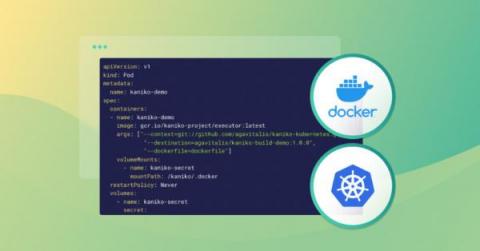
Hosting a CI/CD platform on Kubernetes is becoming more common among engineers. This approach saves time through automation, ensures consistent deployments, and makes it easier to monitor and manage microservices. However, building container images in Kubernetes clusters involves some technical hurdles that require workarounds. In this article, we’ll explore some ways to build Docker images in a Kubernetes cluster for CI/CD processes.