The way in which we interact with applications has changed dramatically over years. Enterprises use applications in day-to-day operations to manage their most sensitive data and control access to system resources. Instead of traversing a labyrinth of networks and systems, attackers today see an opening to turn an organizations applications against it to bypass network security controls and compromise sensitive data.
Ransomware attacks and data breaches seem to be continuously contending for the top positions in news feeds. But what's the difference between these cyber threats and which should you be most concerned about? For a comprehensive breakdown of each type of cyberattack, read on.
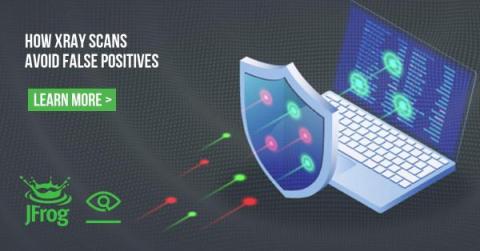
You probably know the story of “the boy who cried ‘Wolf!’” In the ancient fable, villagers tire of a shepherd’s false alarms, and stop paying attention to them. That’s a lesson for software security teams, not just schoolchildren. Raising concerns about threats that turn out to be flimsy or false erodes the trust that binds your department, and even the faith your customers have in you.
During application development, we often need to persist complex data (like objects) for use in different runtimes. However, maintaining persistence within complex data structures and objects is far from straightforward. In Python, you can use the built-in pickle library to handle this process. Pickle can serialize a Python object into a flat byte stream (pickling) as well as transform a byte stream back into a Python object (unpickling).
Image source: Freepik This blog was written by an independent guest blogger. As eCommerce grows, there are more issues concerning payments and security. Customers still don’t enjoy a smooth user experience, can’t access fraud-free transactions, and there are still many declined transactions. Online shopping still lacks a seamless experience due to the risks of storing and handling sensitive account data.
Many businesses use virtual private networks (VPNs) to provide secure remote access to their systems, but this has increasingly become a liability as more people switch to remote work. The greater demands placed on VPNs to offer safe access can expose organizations and employees to security vulnerabilities. In order to better protect their data and systems, organizations may need to seek alternatives to VPNs.
Michael Fey, VP of Engineering at 1Password, recently interviewed Jeremiah Peschka, staff software developer at Stack Overflow, on our Random But Memorable podcast.