Sponsored Post

How Your Business Can Benefit from Cyber Threat Intelligence

As a CIO, you know that your business faces cyber threats daily. While you may have robust security measures in place, it's impossible to protect your organization from every possible attack. That's where cyber threat intelligence comes in. By incorporating this valuable resource into your security strategy, you can dramatically reduce your risk of a breach.
What is Data Exfiltration and How Can You Prevent It?

Every day, cybercriminals are seeking new techniques to extract data and infiltrate networks; one of these techniques is data exfiltration. To prevent these kinds of cyber threats, we must learn how data exfiltration works, the methods used to execute attacks, and how companies can secure their network from further data breaches. Let’s take a closer look.

ICYMI: How to Ensure Continuous Data Security & Compliance across your SaaS Apps

We recently hosted a live discussion covering emerging trends within the cloud security space, primarily reflecting on how organizations could adopt a posture of continuous security and compliance across their SaaS applications. Continue on below to view the highlights from this discussion.

Teleport Demo - 30 Minute Overview

0:00 Intro

1:00 Architecture Overview

3:00 Single Sign On Integration

5:00 Teleport Server Access

7:00 tsh and session recordings

9:00 Teleport App Access

11:00 RBAC Mapping

12:05 Teleport K8s Access

15:00 Teleport DB Access

18:00 Teleport RDP Access

22:00 Access Requests

24:00 Teleport Slackbot

26:00 Active Session Joining
27:00: Trusted Clusters

28:00 Open Source vs Enterprise

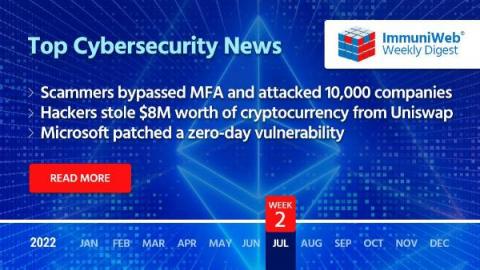
10,000 organisations targeted by phishing attack that bypasses multi-factor authentication

Microsoft has shared details of a widespread phishing campaign that not only attempted to steal the passwords of targeted organisations, but was also capable of circumventing multi-factor authentication (MFA) defences. The attackers used AiTM (Attacker-in-The-Middle) reverse-proxy sites to pose as Office 365 login pages which requested MFA codes, and then use them to log into the genuine site.

Three Big Myths About Application Testing With SAST Tools

Static Application Security Testing (SAST) is one of the principal techniques for assessing the source code of applications to detect possible vulnerabilities. SAST enhances application security during the early stages of the development life cycle and plays an important role in shifting security left. However, there are quite a few myths that are often associated with implementing SAST security tools. Let’s run through the big three.

4 Misconceptions about SAST for Mobile

SAST is one of the matured security testing methods. In the SAST, the source code is examined from the inside out while components are in a static position. It performs scanning in-house code and design to identify flaws that are reflective of weaknesses, and that could invite security vulnerabilities. The scans performed by SAST tools are dependent upon prior identification of rules that specify coding errors to examine and address.

RHONDOS and Devo Partner to Secure Organizations' Business-Critical SAP Data

RHONDOS is proud to have established a strategic partnership with Devo, the only cloud-native logging and security analytics platform. RHONDOS is bringing PowerConnect for SAP to Devo, and together we will provide mutual customers with an all-in-one solution so they can confidently address the question of what to do with SAP data.

Exploring Security and Observability on Splunk Lantern

Your organization purchased Splunk Cloud Platform some time ago. Your environment is ingesting dozens of data sources and your team has expert level SPL skills. You've created easily consumable dashboards and reports for many different types of stakeholders and you've mastered alert fatigue. Your organization's return on investment both in Splunk and Splunk education is paying large dividends in terms of time saved managing threats and improved operational efficiency.