Cybersecurity is important because of the major risk data breaches pose. Now more than ever, personal and confidential data such as banking information, addresses, or financial documents are being shared and saved online. Without proper cybersecurity, this data becomes an easy target for cyberattacks which can cause monetary and reputational damage to people and businesses. Cyberattacks take on different forms.
As technology explodes, so do the threats. Point solutions emerge as security players innovate in order to keep up. This creates the need for consolidation, as the fragmented solutions become too much to manage. We’re entering a consolidation phase now, the process of distilling, refining, and letting the cream rise to the top. We sat down with cybersecurity veteran and vigilante, Chris Wysopal, to get his perspective on emerging trends in cloud-native security.
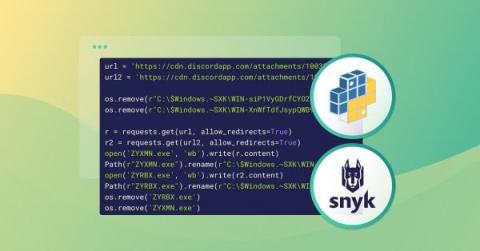
Snyk security researchers continually monitor open source ecosystems for malicious packages, utilizing static analysis techniques to identify and flag suspicious packages. Each malicious package is identified upon publication to the package manager and swiftly added to the Snyk Vulnerability Database. During recent research, the team found 12 unique pieces of malware belonging to the same actor.
C++ offers many powerful capabilities to developers, which is why it’s used in many industries and many core systems. But unlike some higher-level languages that offer less direct control over resources, C++ has a variety of security concerns that developers must be keenly aware of when writing code to avoid introducing vulnerabilities into projects. As developers, we build applications with our end-users in mind. They trust us with their data, time, and device access.