10 Insider tips to set up Azure Security Groups

If you use the Azure cloud, Azure security groups should be on your radar because they’re a fundamental component of securing your resources. As we move into 2023, 63% of SMB workloads are hosted in the cloud, and cyber threats continue to increase, with 45% of breaches reportedly being cloud-based. The good news is Azure security groups act as virtual firewalls, allowing you to define and control access to your network resources, such as virtual machines, subnets, and applications.


Leveling Up Security Operations with Risk-Based Alerting

In life, you get a lot of different alerts. Your bank may send emails or texts about normal account activities, like privacy notices, product updates, or account statements. It also sends alerts when someone fraudulently makes a purchase with your credit card. You can ignore most of the normal messages, but you need to pay attention to the fraud alerts. Security is the same way.

What are Malicious Packages? How Do They Work?

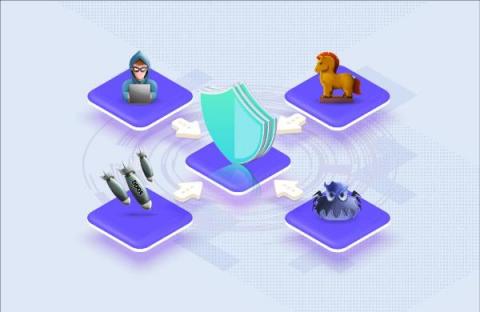
Software developers build approximately 80% of software applications using open-source code, which opens up a world of opportunity for today’s threat actors. Code package repositories such as npm and RubyGems allow anyone to store or publish packages, and unfortunately that can include packages containing malware. These are known as malicious packages — the malware of the software supply chain. As the name implies, a malicious package is software that is created with malicious intent.

SASE For Different Verticals

When exploring a revolutionary architecture like SASE, it helps to have specific, relatable examples. SASE overlaps both networking and security spaces, sometimes making it difficult to see the whole picture. In this new eBook, we explore what SASE looks like for 5 different industry verticals: Retail & Hospitality, Manufacturing, Credit Unions, Health & Pharmaceuticals and Technology. Many of the benefits of SASE can provide value to any organization, so even if your specific vertical isn't covered, you should take a look!

The Business Case for Security Transformation with Cato SSE 360

Organizations require an understanding of the positive ROI implications of security transformation with a holistic, cloud-delivered security architecture. A well-formed security transformation strategy provides an objective cost analysis of potential savings gained by retiring traditional security tools. Understanding how a single converged software stack provides both a financial ROI and a technical ROI will help organizations uncover hidden savings to be gained with their transformation projects.

Zenity Helps Microsoft Identify and Remediate Critical Security Risk in Power Automate Desktop

About seven months ago at Defcon, Zenity CTO Michael Bargury presented security research that discovered and outlined a way to take over Microsoft Power Automate enabling bad actors to send ransomware to connected machines by using Power Automate as it was designed. By simply taking over an endpoint, our research showed that attackers can run their own payloads and execute malware by assigning machines to a new administrative account using a basic command line.

How to Identify Vulnerable Third-Party Software (Quickly)

Third-party software security risks are on the rise, and so are the significant cyberattacks they facilitate. According to a CrowdStrike report, 45% of surveyed organizations said they experienced at least one software supply chain attack in 2021. In 2023, the average number of SaaS apps used by each company is 130 - a 5x increase compared to 2021.