The ransomware attack on ICBC Financial Services caused disruption of trading of U.S. Treasuries and marked a new level of breach that could have massive repercussions. When we saw the attack on the Colonial Pipeline back in 2021, the impact was felt throughout the Southeast United States. Any attack on key businesses that keeps an economy running will have some form of impact should the attack be successful.
North Korean hackers pose as job seekers and recruiters, the Telekopye Telegram bot enables large-scale phishing scams, and DPRK-aligned threat actors target macOS in two campaigns.
A phishing campaign is impersonating Disney+ with phony invoices, according to researchers at Abnormal Security. The phishing emails targeted individuals at 22 organizations in September. “The first step in this multi-stage attack is a seemingly auto-generated notification email informing the target of a pending charge for their new Disney+ subscription,” the researchers explain.
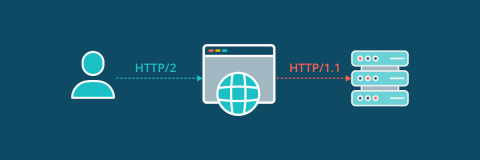
During a recent penetration test on a customer application, I noticed weird interactions between the web front-end and back-end. This would eventually turn out to be a vulnerability called HTTP request smuggling, enabled by the fact that the front-end was configured to downgrade HTTP/2 requests to HTTP/1.1. With the help from my colleague Thomas Stacey, we were able to construct an exploit chain with response queue desynchronization along with traditional HTTP/1.1 request smuggling techniques.
More than two years after the major U.S. pipeline ransomware incident, the SecurityScorecard Threat Research, Intelligence, Knowledge, and Engagement (STRIKE) Team has released a new report revealing that 90% of the largest global energy companies have experienced a third-party breach in the past 12 months. This research highlights the uphill battle faced by the energy industry in combating emerging threats across the supply chain.
The risk of data breaches has become an omnipresent concern for businesses and organizations. And as technology continues to evolve, so do the tactics of cybercriminals. One critical aspect of cybersecurity strategy involves preparing for and responding to third-party data breaches. A well-constructed response playbook is indispensable in mitigating the potential damages and ensuring a swift recovery.