Identity theft is like a thief in the night; it can happen to anyone, anywhere, at any time. It is a real threat to everyone. We live in a time where so much personal information is stored online, which allows cybercriminals to steal it and use it for their gain. A Federal Trade Commission report shows that over 1 million people fell victim to identity theft in 2022. The most common types of identity theft are credit card fraud, bank fraud, and loan or lease fraud.
A cybercriminal group calling itself BlackSuit has claimed responsibility for a series of ransomware attacks, including breaches at schools in central Georgia. And earlier in the year, a zoo in Tampa Bay was targeted by the same hacking gang.
North Korean hackers pose as job seekers and recruiters, the Telekopye Telegram bot enables large-scale phishing scams, and DPRK-aligned threat actors target macOS in two campaigns.
A phishing campaign is impersonating Disney+ with phony invoices, according to researchers at Abnormal Security. The phishing emails targeted individuals at 22 organizations in September. “The first step in this multi-stage attack is a seemingly auto-generated notification email informing the target of a pending charge for their new Disney+ subscription,” the researchers explain.
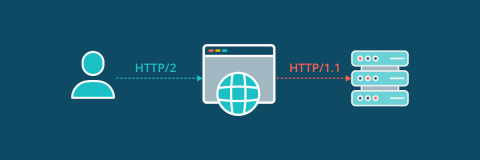
During a recent penetration test on a customer application, I noticed weird interactions between the web front-end and back-end. This would eventually turn out to be a vulnerability called HTTP request smuggling, enabled by the fact that the front-end was configured to downgrade HTTP/2 requests to HTTP/1.1. With the help from my colleague Thomas Stacey, we were able to construct an exploit chain with response queue desynchronization along with traditional HTTP/1.1 request smuggling techniques.
More than two years after the major U.S. pipeline ransomware incident, the SecurityScorecard Threat Research, Intelligence, Knowledge, and Engagement (STRIKE) Team has released a new report revealing that 90% of the largest global energy companies have experienced a third-party breach in the past 12 months. This research highlights the uphill battle faced by the energy industry in combating emerging threats across the supply chain.