Introducing Decipio: A Community Tool to Catch Credential Theft in the Act with Defense First AI

Today, Arctic Wolf is announcing Decipio, a new community‑shared cybersecurity tool designed to help defenders catch attackers while they’re trying to steal credentials inside a network. Credential theft is one of the most common ways cyber attacks begin and one of the hardest to detect early. In many cases, there’s no alert, no obvious warning, and no immediate sign that anything is wrong.

Torq Leads Every Category in the 2026 KuppingerCole Analysts Leadership Compass: Emerging AI SOC

See how Torq harnesses AI in your SOC to detect, prioritize, and respond to threats faster. Request a Demo The security automation market just got its definitive evaluation and its new name. KuppingerCole Analysts is the global analyst firm that sets the benchmark for cybersecurity technology evaluations.

NIST CSF 2.0 and Agentic AI: Building Profiles for Autonomous Systems

AI agents are likely already running inside your infrastructure. They triage alerts, remediate incidents, provision resources, and make decisions without waiting for a human to approve each step. For teams aligned to NIST’s Cybersecurity Framework (CSF) 2.0, this creates a problem: the framework assumes human actors, human-speed decisions, and human-readable audit trails. Autonomous systems break all three assumptions. The good news is that CSF 2.0 was designed to be adapted.

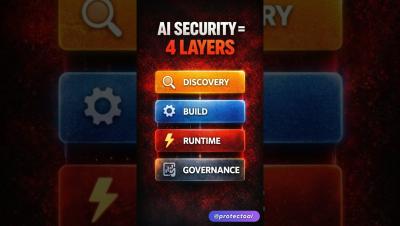
Why AI Security Needs More Than One Tool #shorts #ai

Why AI security needs more than one tool Most teams believe a single cybersecurity tool—like WAF, EDR, or API security—is enough to protect their AI systems. But that approach is outdated. AI security is not one layer—it’s a full stack problem. Discovery – Identify Shadow AI and unknown AI usage Build-Time Security – Prevent data poisoning & model risks (MLSecOps) Runtime Security – Stop real-time AI attacks and agent misuse Governance (AISPM) – Ensure visibility, compliance, and policy control.

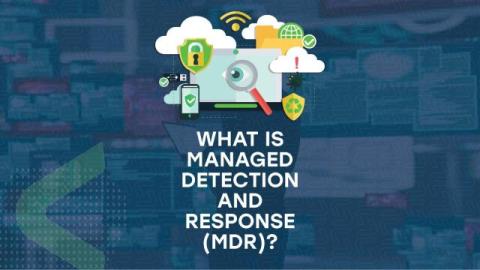
What Is Managed Detection and Response (MDR)?

Managed Detection and Response (MDR) is a cybersecurity service that provides continuous monitoring, threat detection, investigation, and response across an organization’s environment. It combines advanced detection technology with a 24/7 security operations center (SOC) to identify threats early and take action before they cause damage.

What we learned using AI agents to refactor a monolith

AI agents are increasingly used to refactor large codebases, but many teams lack a clear understanding of where they succeed and where they fail. At 1Password, we applied agentic tooling to a multi-million-line Go monolith, and in this blog we'll share what worked, what broke, and what it means for teams adopting AI in production systems.

What is shadow data and how to secure it

Shadow data is information that exists within an organization's environment but falls outside IT visibility and governance. It accumulates through everyday business activities such as copying files to personal drives, exporting data for testing, and using unapproved cloud apps. This hidden data creates security vulnerabilities, compliance risks, and operational inefficiencies.