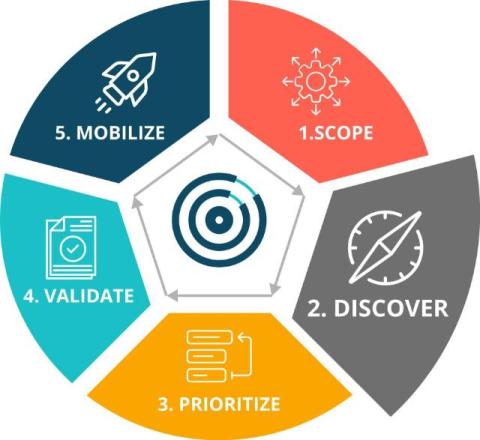
CTEM step-by-step guide | Stage two: Discovery

Welcome to our blog series on Continuous Threat Exposure Management (CTEM), where we dig into the five essential stages of implementing a robust CTEM program. Coined by Gartner in 2022, CTEM is a powerful process that can help continuously manage cyber hygiene and risk across your environment. It’s also a lot to think about when you’re starting out, so it helps to break things down.

Converge 2024 Labs - Microsoft Sentinel - Tanium Tech Talks #108-1

Better Together: Next Gen SOC Powered by Microsoft Sentinel and Tanium This lab focuses on integrating Tanium with Microsoft Sentinel to enhance SOC (Security Operations Center) capabilities. The integration utilizes Tanium connectors and Sentinel's real-time capabilities to offer several benefits.

"Operation Kaerb" Takes Down Sophisticated Phishing-as-a-Service Platform "iServer"

A partnering of European and Latin American law enforcement agencies took down the group behind the mobile phone credential theft of 483,000 victims. Someone steals a physical mobile phone and they need to unlock it. But to do so, you need the Apple ID or Google account of the phone’s owner. So, where do you go? Well, it used to be iServer – an automated phishing-as-a-service platform that could harvest credentials to unlock the stolen phones.

Meet SmartRisk Agent: Unlock Your New Human Risk Management

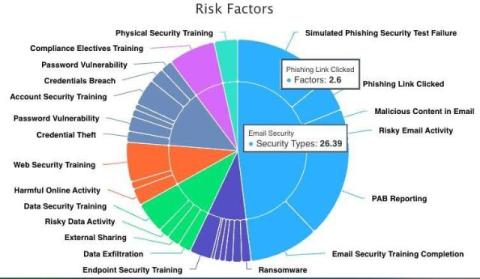
Depending on who you ask, between 70 and 90 percent of cyber risk has human error as the root cause. That's why Human Risk Management (HRM) is so important. And here is the next major advance in HRM. We're thrilled to announce the second version of our risk score architecture. It is so far advanced we have renamed—promoted really—our initial "Virtual Risk Officer" to SmartRisk Agent.

Ensuring Business Continuity During Migration: A Director of IT's Guide

Migrating virtual machines (VMs) from VMware to next-generation open infrastructure platforms like KubeVirt and OpenShift Virtualization carries some VM migration risks that can impact business operations if not managed properly. One of the key challenges is compatibility, as the architecture, configurations, and dependencies of VMs in VMware may not seamlessly translate to new environments, leading to issues with performance, application functionality, or even failed migrations. Process risks include.

Common Ways Hackers Break In: Vulnerabilities You Need to Fix

In this webinar, we explored the most common vulnerabilities that cybercriminals exploit to infiltrate systems. Topics included outdated software, weak passwords, misconfigured settings, and unpatched security flaws. We discussed which vulnerabilities pose the greatest risks and shared practical strategies to address them. Watch this recording to gain actionable insights into fortifying your defenses and reducing your organization's attack surface, which will help you stay ahead of potential breaches.

Low-Latency Networks: How Enterprise Components Minimize Data Delays

Low-latency networks are important from a business perspective in that they help reduce the delays in data and enhance overall efficiencies of operations. With futuristic goals, businesses will prioritize networks with fewer or no delays since they want data to be processed in real-time for fields such as finance, healthcare, and cloud computing. According to Cisco, the demand for low-latency networking will continue increasing as organizations further digitize their operations. These networks often require specialists to design and optimize for ultimate performance.