Carrying out a pentest correctly is important for finding and fixing security holes in a company. Including useful external IP addresses is an important part of pentesting. Hackers can get into a company's network and possibly take advantage of vulnerabilities by using these addresses as entry points. Companies can make sure their pentests are thorough and useful by carefully choosing and ranking which external IP addresses to test.
We’re excited to announce that Trident, a leading, institutional-grade service provider in the digital asset space, has chosen Fireblocks as a key technology partner to power its diverse range of services.
Hackers can steal passwords using a variety of methods including password cracking and social engineering. Learn how to tell if your password has been stolen and what you can do to mitigate the risk of having your passwords stolen.
Security reviews of third-party vendors are now an essential element of an effective governance, risk, and compliance (GRC) function. After all, there have been numerous examples in recent years of organizations with an otherwise strong security posture falling victim to threats that originated with supply chain partners. But whether you are on the sending or receiving end of a security review, completing the process can be time-consuming and inefficient.
Learn how to build your own custom audit compliance reports with Tanium Comply. Do you have configuration audits in your IT shop? Does that involve painful screenshots and spreadsheets. We're going to show you how to automate your own audits and even schedule the reports to be delivered automatically.
Tl;dr: This blog discusses IDC’s 2024 study, “The Future of Access Management: Identity Security Requirements for a Modern Application Access Approach.” The study identifies the biggest challenges facing security leaders today, especially those exacerbated by hybrid work. Below are IDC’s findings as well as downloadable checklists that security practitioners can use to address the security gaps in their organizations.
The Payment Card Industry Data Security Standard (PCI DSS) is a global standard designed to ensure the security of cardholder information. It is crucial for any organization that stores, processes, or transmits payment card data to comply with PCI DSS to protect the integrity and confidentiality of cardholder information.
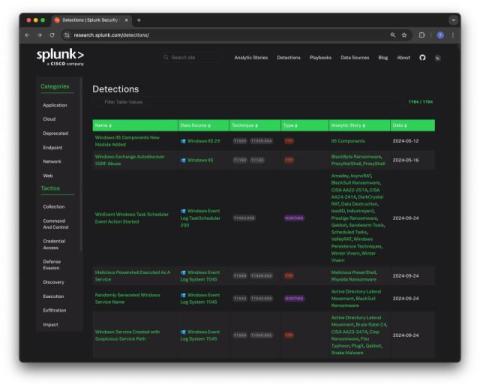
The cybersecurity threat landscape is ever-changing and evolving, with bad actors implementing increasingly sophisticated strategies to evade detection. However, many security teams struggle to adapt their detection strategies at the same pace. Supporting advanced threat detection requires organizations to invest in consistent threat research and detection engineering. Without that, they cannot develop the high-quality detections needed to target the latest threats.
What do lemons and botnets have in common? You’ll have to watch to find out! Check out Ben Edwards in this week’s reel for a fresh take on cyber threats.