Tackling the Non-Human Identity Crisis

As the landscape of Non-Human Identities (NHI) continues to expand, managing and securing these identities has become one of the most pressing challenges for organizations today. With automation and the increasing reliance on machine-to-machine communication, the stakes for securing these entities have never been higher. Did you know that over 80% of cloud breaches involve mismanaged or unauthorized machine identities?

84% of Healthcare Organizations Sustained Cyberattacks Last Year

A new survey by cybersecurity vendor Netwrix found that 84% of healthcare organizations spotted a cyberattack in the past twelve months, with phishing attacks accounting for 63% of these incidents. “Phishing was the most common type of incident experienced on premises, similar to other industries,” Netwrix says. “Account compromise topped the list for cloud attacks: 74% of healthcare organizations that spotted a cyberattack reported user or admin account compromise.”

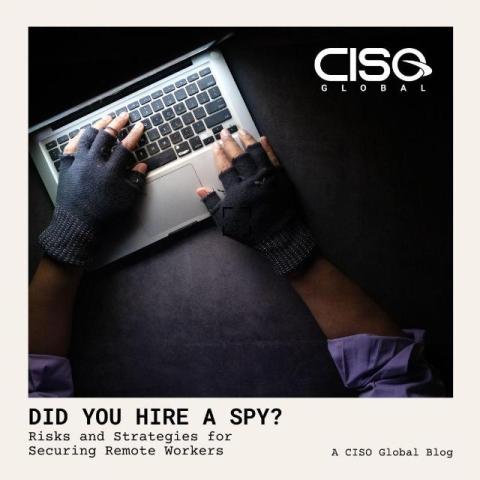
Did You Hire a Spy? Risks and Strategies for Securing Remote Workers

In today’s high-stakes digital landscape, hiring remotely requires diligence and vigilance. Trust is important, but verifying that trust is non-negotiable. The consequences of negligence can extend beyond financial loss, affecting national security and the very foundations of an organization. By taking proactive measures, companies can significantly reduce the risk of hiring a spy or becoming a victim of corporate espionage.

Phishing is the Top Security Threat For Smartphone Users

Phishing attacks are the most common security issue for smartphone users, according to a new study by Omdia. The survey found that nearly a quarter (24%) of respondents have fallen victim to a mobile phishing attack. The second most common mobile threat was malware, which is usually delivered via social engineering. The researchers note that phishing attacks reached all the smartphones assessed in the study, regardless of vendor.

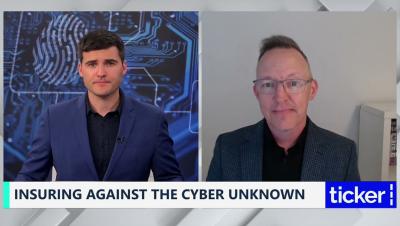
Why Cyber Insurance Is Vital To Keeping Businesses Standing When Threats Hit

Steve Hunter, Director of Sales Engineering at Arctic Wolf, discusses the importance of cyber insurance for organizations in mitigating cyber risks. He explains the types of coverage cyber insurance policies offer, the growing challenges in obtaining coverage, and the essential strategies for evaluating a policy. Steve also highlights the need for organizations to enhance their cybersecurity measures and how they can communicate effectively with insurers to improve their risk profile.

CVE-2025-23006: Actively Exploited Vulnerability in SonicWall SMA1000 Appliances

On January 22, 2025, SonicWall published a security advisory detailing an actively exploited remote command execution vulnerability in SMA1000 appliances. The critical-severity vulnerability, CVE-2025-23006, is a pre-authentication deserialization of untrusted data vulnerability that has been identified in the SMA1000 Appliance Management Console (AMC) and Central Management Console (CMC). If exploited, it could allow unauthenticated remote threat actors to execute arbitrary OS commands.

Using Data Pipelines for Security Telemetry

It’s a warm, sunny day as you lie in the sand under a big umbrella. Suddenly, you feel the waves crashing against your feet, only to look down and see numbers, letters, usernames, and timestamps. You try to stand up, but you feel the tide of big data pulling you under… With a jolt, you wake up, realizing that you were having another nightmare about your security Data Lake and analytics.

Reviving DevSecOps: How Snyk's new framework builds trust and collaboration

It’s been over a decade since DevSecOps was introduced as a transformative approach to software development, but adoption remains uneven. Despite its promise of seamless integration between development, security, and operations, only 38% of organizations report fully automating the addition of new projects, branches, or repositories into their security testing queues.