Security | Threat Detection | Cyberattacks | DevSecOps | Compliance

Unraveling the Secrets of Your JavaScript Dependencies

Untangling the secrets of your JavaScript Dependencies During this livestream we are joined by API lead and Node j.s expert Thomas Gentilhomme. We dive into topics ranging from, Thomas' background and experience to untangling the secrets of your dependencies, and even test an example of NPM packages. Didn't catch the live stream? Ask all of your Snyk questions and we’ll do our very best to answer them in the comment section.

2022 in Review (and what's to come)

Join the team at LimaCharlie for an interactive open forum about much of what has happened in 2022. Dive into and learn about key feature releases and hear a little about what's to come for the future. 2022 was a major growth year for LimaCharlie and we'll discuss the wide range of capabilities we have added that enable our users to assemble a security stack unique to their organizations.

The 443 Episode 224 - Reviving a Dead Botnet

This week on the podcast we cover a recent analysis by Mandiant on a Russia-based APT using a decade old botnet to deliver new attacks. Before that, we cover an update from LastPass about their most recent breach as well as the 200 million Twitter accounts leaked last week. The 443 Security Simplified is a weekly podcast that gets inside the minds of leading white-hat hackers and security researchers, covering the latest cybersecurity headlines and trends.

Cloud Asset Inventory and Visualization

Track your cloud asset inventory at a high level in one view and continuously monitor your cloud assets and investigate details about individual assets in the Cloud Assets table and graph. The Asset Inventory Overview shows top counts, trends, detections, and more across multiple clouds. Filter the widgets to see the info you want, and click areas in the widgets to see details in the Cloud Assets table.

How Code Coverage Helped Me Find 3 SQL Injections

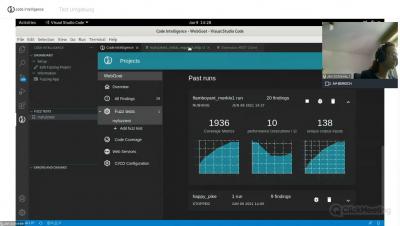
For web applications with a login, it is kind of obvious that you cannot achieve a high coverage without logging in. Any experienced tester would be able to recognize this immediately. And even for blackbox scans, most developers would use a login to improve their code coverage.