Security | Threat Detection | Cyberattacks | DevSecOps | Compliance

Workspace security in 2026: A complete guide for MSPs and modern IT teams

Workspace security has evolved into one of the most critical challenges facing managed service providers and modern IT teams. As organizations continue to embrace remote and hybrid work models, traditional perimeter-based security approaches no longer provide adequate protection. Users now access corporate data from multiple locations, devices and cloud platforms, dramatically expanding the attack surface. For MSPs, this shift represents both a risk and an opportunity.

Backup strategies for operational technology (OT) systems

Summary Operational technology (OT) systems underpin industrial safety and production, yet many run on legacy platforms that lack modern backup and cyber-resilience. Without isolated, full-system recovery, ransomware or system failure can halt operations and create serious safety risks — a gap addressed by modern OT backup approaches such as Acronis Cyber Protect.

Enterprise PCI Compliance: The Cost of Getting It Right in 2026

PCI used to fit neatly into a budget. You’d build your cardholder data environment, lock it down, gather evidence, and once a year prove to an assessor that everything worked. Costs were predictable because the work was concentrated: audit cycle, remediation sprint, then relative quiet until next year. That model broke somewhere around 2018. Now your payment flow touches cloud accounts, shared services, SaaS vendors, front-end code, and operational teams deploying changes on their own schedules.

CVE-2026-21858: Critical Unauthenticated File Access Vulnerability in n8n "Ni8mare"

On January 7, 2026, fixes were released for a maximum severity vulnerability (CVE-2026-21858) impacting n8n, a workflow automation application primarily used with artificial intelligence. Labeled “Ni8mare” by the researchers who discovered it, the vulnerability allows unauthenticated remote threat actors to take over locally deployed instances via publicly accessible webhook and form endpoints.

AI Tool Poisoning: How Hidden Instructions Threaten AI Agents

As AI agents become increasingly prevalent across business environments, their security is a pressing concern. Among the insidious threats facing AI agents is tool poisoning, a type of attack that exploits the way AI agents interpret and use tool descriptions to guide their reasoning. In this blog, we explain how AI tool poisoning works, the different forms it can take, and how organizations can strengthen their defenses against this type of attack.

Domain Takedown Services vs In-House Tools: What Enterprises Actually Use

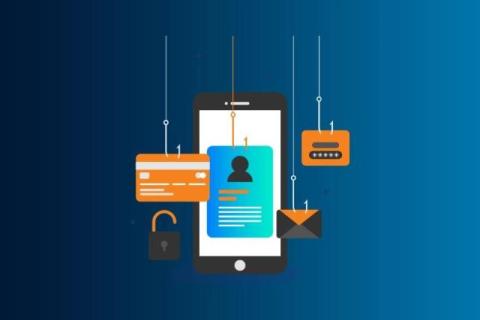
Domain takedown services are a familiar control for enterprises dealing with phishing, fake websites, and brand impersonation. When a spoofed domain appears, the instinctive response is to remove it as fast as possible. Security teams generally face a clear decision: handle takedowns internally using tools and SOC workflows, or rely on managed domain takedown services. What is less clearly understood is that this decision is not really about preference or maturity.

Continuous Penetration Testing: How to Mature Your Approach to Assessments

As cyber threats grow more sophisticated and persistent, traditional penetration testing methods, often conducted quarterly or annually, can miss key vulnerabilities and lack coverage. Continuous penetration testing enables organizations to identify and remediate vulnerabilities in real time, providing product and software teams with up-to-date insight and evidence to advance security and enhance regulatory compliance.