
Security | Threat Detection | Cyberattacks | DevSecOps | Compliance

CrowdStrike Falcon Cloud Security Expands Support to Oracle Cloud Infrastructure

CrowdStrike is thrilled to announce a collaboration with Oracle that will bring the unified, AI-powered protection of CrowdStrike Falcon Cloud Security support to Oracle Cloud Infrastructure (OCI). As OCI has become a strategic choice for organizations seeking enterprise-grade performance and security, this expansion improves the visibility and protection to defend against cloud-focused threats.
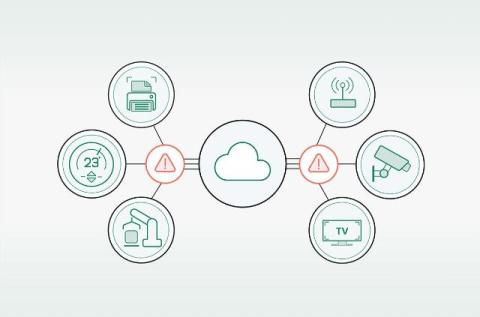

Cato CTRL Threat Research: Advanced Behavioral Analysis of IoT and OT Devices for IoC Collection

In today’s hyperconnected industrial landscape, IoT and OT devices have become integral to modern operations, yet their security posture often remains inadequately monitored. Cato CTRL is revealing a new and innovative approach to IoT/OT threat detection by leveraging advanced behavioral analysis of IoT/OT devices to generate high-confidence Indicators of Compromise (IoCs).

How to integrate Synology NAS with BDRSuite

BDRSuite and Synology NAS, what a better combination. With 16 years of IT experience, I’ve used many different products, but these two have been my top choice for the past two years for backup and storage. They work smoothly, securely, and without headaches. In this article, I will show you how to integrate BDRSuite with Synology NAS and store your backups there. To demonstrate how to do it, I will use the Synology DS923+, a flexible storage platform for small businesses.

How to Migrate from VMware to Hyper-V

You may need to convert a VMware VM into a Hyper-V VM for different reasons. For example, you may have a multi-hypervisor environment, you may need to perform VMware to Hyper-V migration for testing, you want a more rational licensing model for certain software, etc. However, these two virtualization platforms have some key differences despite some similarities. Understanding the VMware to Hyper-V VM conversion process is important for a smooth and successful migration.

Viral but Vulnerable: The Hidden Risks of Cybersecurity Misinformation on Social Media

It's no surprise that 18–29-year-olds are turning to social media for cybersecurity information. As digital natives, this age group naturally gravitates toward platforms where information is fast, accessible, and constantly updated. But how effectively are they absorbing these short snippets—and are they likely to share it forward? More importantly, what happens if that cybersecurity information is inaccurate?

The Flaw in "Secure" Systems: How ByBit's Attack Exploited Blind Trust

ByBit’s recent attack has exposed a critical flaw in how many exchanges approach security. The real-time transaction manipulation that took place wasn’t just an unfortunate event—it was a direct consequence of mispurposed security architectures that sophisticated attackers are all too ready to exploit.

Show Me the Money. The Velocity of Money.

People talk about stablecoins all the time these days, and no wonder; their market cap just reached $200B, there is a new administration in the US discussing three(!) stablecoin bills, the Markets in Crypto-Assets (MiCA) regulation was rolled out in the EU last year, making it one of the first major jurisdictions to put into effect a clear, unified crypto framework; and payments companies, banks, and fintechs are publicly expressing their interest in integrating crypto into their offerings (or as we say,

How Monitoring Calls Live Can Transform Your Customer Service

Your agents are juggling a wave of customer inquiries, each one demanding their full attention. Despite their efforts, some interactions don't hit the mark. Customers grow frustrated, and the pressure on your team builds. How can you guarantee every call upholds your service standards, even when your team is stretched thin?

Strengthening Industrial Security with Advanced 3D Printing Technologies

3D printing has become an essential tool in modern manufacturing, providing businesses with new ways to produce secure, high-quality components while reducing reliance on complex supply chains. However, as additive manufacturing gains widespread adoption, security concerns related to intellectual property, supply chain integrity, and cyber threats are becoming more significant.