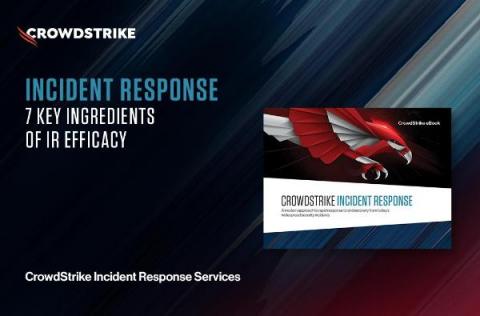
CrowdStrike has been recognized as a Leader in the Forrester Wave™ for Cybersecurity Incident Response Services. When it comes to incident response (IR), time is of the essence. The longer it takes to detect threat activity, investigate an incident and remediate systems across highly distributed environments, the deeper into the threat lifecycle the adversary gets.
Kubernetes is the popular container orchestration platform developed by Google to manage large-scale containerized applications. Kubernetes manages microservices applications over a distributed cluster of nodes. It is very resilient and supports scaling, rollback, zero downtime, and self-healing containers. The primary aim of Kubernetes is to mask the complexity of overseeing a large fleet of containers.
During a recent client engagement for a tabletop exercise (TTX), it became apparent that the client did not have a methodology for tracking indicators and building an incident timeline. The CrowdStrike Services team wanted to provide more information to our client on how incidents can and should be tracked, but nothing was available in the public domain.
Every functioning security team has an incident response plan. Advance strategizing and preparation are absolutely imperative to ensure a quick response to data breaches, ransomware, and numerous other challenges, but most companies first developed that plan years, if not decades, ago and now only revisit it periodically. This is a problem. How many organizations have developed a separate incident response plan to address the unique risks of the software-as-a-service (SaaS) era? Far too few.