"Do Not Push To Production" And Other Insecure Code, Demonstrated By An Ethical Hacker
Enjoy highlights from GitGuardian's ethical hacking webinar with a friend from Snyk.


Enjoy highlights from GitGuardian's ethical hacking webinar with a friend from Snyk.
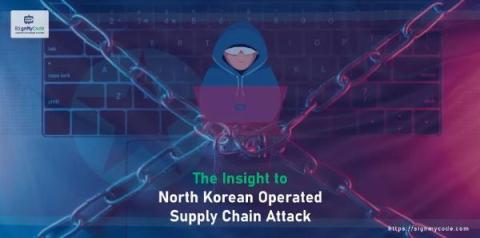
Recently, the Microsoft Threat Intelligence Team has discovered a supply chain attack executed by North Korean attackers. The prime victim of this attack was CyberLink, a multimedia software company headquartered in Taiwan. This strategic infiltration in the CyberLink infrastructure impacted globally present customers, risking data integrity and confidentiality.
Hollywood would have us believe that an airplane can be hacked by a tech-savvy passenger. But can they really? Ethical hacker Ken Munro decided to dig into airplane security and answer some common movie questions, like ‘what can a hacker do from seat 23A?’
Read also: Private eye gets 6 years in prison for hacking, Marriott hacker fakes his own death, and more.
Researchers discover a new Russian hacking group, Rhysida ransomware threatens multiple sectors, and a new campaign targets public Docker Engine APIs.
Imagine walking down the street, innocently scrolling through your phone, completely unaware that someone nearby is attempting to hijack your Bluetooth connection. It sounds like a scene straight out of a spy movie, right? Well, this kind of covert hacking, known as bluejacking and bluesnarfing, is a growing concern in today’s digital age.
In the ever-evolving landscape of cybersecurity, the line between the defenders and attackers often blurs, with skills transferable across both arenas. It’s a narrative not unfamiliar to many in the cybersecurity community: the journey from black hat to white hat, from outlaw to protector. In the 15th episode of Cato Networks’ Cyber Security Master Class, hosted by Etay Maor, Senior Director of Security Strategy, we had the privilege of witnessing such a transformative story unfold.