No, Keeper has never been hacked or breached. Keeper’s zero-trust and zero-knowledge architecture means all data is encrypted and decrypted only on the user’s device, so Keeper never has access to the contents of a customer’s vault. In this article, we explain Keeper’s security track record, how Keeper protects your data, how Keeper’s security is tested and audited, and why millions of people and more than a hundred thousand organizations around the world trust Keeper.
On October 29, 2026, cryptocurrency giant Binance lost approximately $6.34 billion in digital assets in under half an hour. The attack, attributed to the notorious Lazarus Group, stands as the largest crypto heist in history. But how was an attack of this scale pulled off? The entire compromise appeared to originate at the human and endpoint layer: a compromised engineer’s machine.
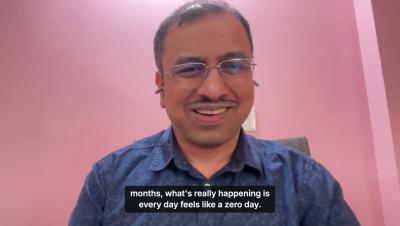
An interview with Aseem Rastogi, global security researcher at Coralogix, on the Binance hack, what it means for CISOs, and some sage advice on resilience over prevention. In this video security advisory, Aseem walks through what's known so far about the incident, why the guardrails around a single authorization failed, and what security teams in any industry can do about it.
Every security team is being told to adopt AI. Far fewer have been shown what "good" looks like in practice. Turnkey agents handle common, well-defined security tasks, but no two security teams operate the same way. Each has its own data, playbooks, escalation paths, and risk tolerances; unique context that no vendor can anticipate in a packaged solution.
AI has removed the skill, personalization, and speed barriers that once limited cyberattacks. Attackers use language models at every stage of the kill chain, from recon to persistence, and underground tools sell pre-jailbroken access to mainstream models for as little as $50 a week. But because every attack still has to change a file, a configuration, or a script on a real system, detecting unplanned change works no matter which model wrote the payload.
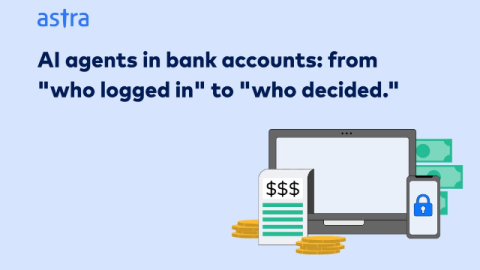
The banks aren’t being hacked, at least not in the way the headlines imply. They’re being out-authenticated. No breach of JPMorgan’s, Morgan Stanley’s, Bank of America’s, Citi’s, or Wells Fargo’s core systems has been publicly reported. Instead, Axios reported on October 22—and Reuters corroborated—that AI agents in bank accounts (major U.S. banks) are being detected and blocked.
On Tuesday, October 27, Chrome will distrust an eMudhra root certificate, emSign ECC Root CA - G3. Mozilla already did. Most of the people who have to deal with it run IT at American universities. They get their certificates from InCommon, the certificate service Internet2 runs for higher education. The certificates say Internet2 on them, but since April, eMudhra, an Indian certificate authority, has issued them.
This blog post will detail everything we know so far regarding the ASOS hack and what you should do if you received the notification, or are an ASOS customer.