Security | Threat Detection | Cyberattacks | DevSecOps | Compliance

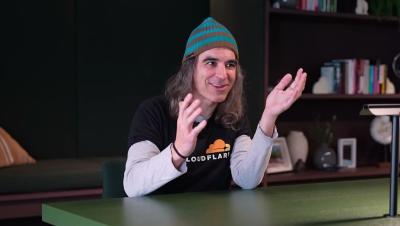
AI Agents Now Rank With the Top 3 Hacking Teams: Chema Alonso

In this episode of This Week in NET, host João Tomé is joined by Chema Alonso, Vice President and Head of International Development at Cloudflare. Chema shares how a 1998 paper on SQL injection launched his career in hacking, his path from running a startup in Madrid to becoming a Microsoft MVP for 14 years, and how he ended up leading cybersecurity at Telefónica for more than a decade — after telling them “you don’t have enough money to make me work for you.” He also explains why he left Telefónica in 2025 to join Cloudflare, and what surprised him about the company’s technical depth.


Top tips to stop hackers from exploiting your office printers

Top tips is a weekly column where we highlight what’s trending in the tech world and list practical ways to explore these trends. This week, we are tackling a lesser-known but growing cybersecurity risk in modern workplaces: printer-based attacks. Let's start with a simple scenario. It's a quiet evening at the office. Most employees have gone home, the lights are dimmed, and the network continues running as usual. In one corner of the floor sits a printer that has been there for years.

Why Soft Guardrails Get Us Hacked: The Case for Hard Boundaries in Agentic AI

One recurring theme in my research and writing on agentic AI security has been the distinction between soft guardrails and hard boundaries. As someone who serves on the Distinguished Review Board for the OWASP Agentic Top 10, and who spends every day thinking about how to secure agents across enterprise environments at Zenity, this distinction is not academic. It is potentially the single most important conceptual framework practitioners need to internalize right now.

How Security Teams Fight Back Against AI-Powered Hackers

Last month, the Mexican government was hacked. 150GB of government data was stolen, including 195 million taxpayer records. This attack exploited a couple of dozen vulnerabilities across ten institutions. In the past, this would have likely taken a skilled team months to crack. But of course, we’re living in a new age. This attack was executed by one person and their Claude Code assistant.