Slow web traffic in mainland China? Speed it up with Cloudflare's China Network. Many developer platform products, such as Workers and Pages, are currently supported on the China Network.
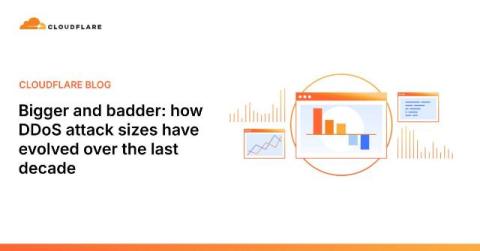
Distributed Denial of Service (DDoS) attacks are cyberattacks that aim to overwhelm and disrupt online services, making them inaccessible to users. By leveraging a network of distributed devices, DDoS attacks flood the target system with excessive requests, consuming its bandwidth or exhausting compute resources to the point of failure. These attacks can be highly effective against unprotected sites and relatively inexpensive for attackers to launch.
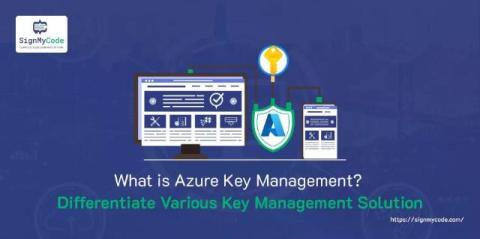
Azure is Microsoft’s cloud, allowing for software and hardware-based or hosted in the cloud and providing computing, analytical, storage, and networking services. From these services, the users can selectively take what they want to build new applications in the public cloud or migrate other applications already running to the public cloud.
IONIX today announced the release of our Cloud Exposure Validator, a tool designed to reduce cloud vulnerability management noise shifting focus to findings that represent the biggest threats. The Validator addresses the growing challenges organizations face in managing cloud security risks effectively. This blog post explains how.
Cloud security isn’t just the vendor’s job– It’s a shared responsibility. Make sure you’re choosing a cloud partner who takes data protection as seriously as you should.
Snowflake is a leading cloud-based data warehousing platform that offers businesses a secure and scalable data storage solution. Offered in a Software-as-a-Service or SaaS model, with its unique security architecture, Snowflake provides robust protection for sensitive data, making it a preferred choice for enterprises dealing with compliance-sensitive workloads.
AWS Identity and Access Management (IAM) enables organizations to set up permissions policies for users and workloads that need access to cloud services and resources. But as your cloud environment scales, it can be challenging to create and audit IAM policies that work effectively without compromising security.
Data-handling platforms such as Azure DevOps are often relied on by many different modern organizations, therefore it is important to secure such environments. These widely used platforms simplify DevOps processes like project management and the work of developers. However, there is a downside, the rise of technology brings an increased risk of cyber attacks.