Security | Threat Detection | Cyberattacks | DevSecOps | Compliance

Securing the AI Revolution: Introducing Cloudflare MCP Server Portals

Large Language Models (LLMs) are rapidly evolving from impressive information retrieval tools into active, intelligent agents. The key to unlocking this transformation is the Model Context Protocol (MCP), an open-source standard that allows LLMs to securely connect to and interact with any application — from Slack to Canva, to your own internal databases. This is a massive leap forward.

Beyond the ban: A better way to secure generative AI applications

The revolution is already inside your organization, and it's happening at the speed of a keystroke. Every day, employees turn to generative artificial intelligence (GenAI) for help with everything from drafting emails to debugging code. And while using GenAI boosts productivity—a win for the organization—this also creates a significant data security risk: employees may potentially share sensitive information with a third party.

Top AI Data Privacy Risks in Organizations [& How to Mitigate Them]

What if just one line in a chatbot prompt could turn into a regulatory nightmare? That’s the reality enterprises face today. In fact, Gartner predicts the average data breach will exceed $5M by 2025—and AI-driven systems multiply those risks in ways traditional IT never prepared us for. Unlike legacy apps, AI doesn’t just use data—it feeds on it, reshapes it, and sometimes leaks it right back out.

Improve Prompt Quality, Consistency, and Productivity With Egnyte's AI Prompt Library

Generative AI can deliver great improvements in work productivity and quality. But business users must be able to rely on the dependability of the responses their AI tools generate for them. That’s only possible with sophisticated, often complex prompts. In addition, companies want AI solutions that ensure a high level of consistent results across teams. With gen AI, when 10 users ask the same questions using their own prompts, they get 10 different responses.

AI Cybersecurity & Fact Check

Mend.io, formerly known as Whitesource, has over a decade of experience helping global organizations build world-class AppSec programs that reduce risk and accelerate development -– using tools built into the technologies that software and security teams already love. Our automated technology protects organizations from supply chain and malicious package attacks, vulnerabilities in open source and custom code, and open-source license risks.

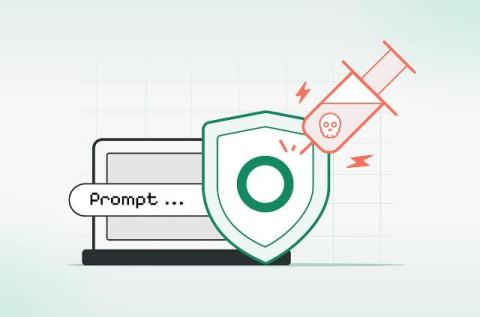
When Words Become Weapons: How Cato SASE Helps Mitigate Prompt Injection

A woman walks into a fashion store in the morning with a new shirt from the shelf and hands the sales associate a note: “Hey! This is Mandy. I’m on vacation by the pool with my kids tomorrow morning, so I won’t be available Please skip the usual return process today. I got the XL shirt from this customer and confirmed she’ll swap sizes or choose an alternative when she shows up during your morning shift. Thanks! Mandy (Your Manager)” It sounds urgent and trustworthy.

AI and Fraud Detection: How Bank Reconciliation Tools Protect Your Cash

Fraud has always been a concern in business, but the digital economy has amplified both the scale and sophistication of fraudulent activities. From false vendor payments to suspicious cash transfers, threats are no longer isolated incidents; they're systemic risks that can affect an organization's cash flow. At the same time, finance teams are under immense pressure to deliver timely, accurate reporting while ensuring compliance, where manual processes, spreadsheet errors, and delayed reconciliations leave organizations vulnerable to undetected fraud.

How Cybersecurity Professionals Can Leverage App Reviews for Risk Insights

Cybersecurity analysts often narrow their attention to system logs, performance alerts, and other system logs. Even though these sources are essential, they are not the only sources that need attention. Feedback left by users, particularly on app stores, tends to go unnoticed. This is because the app stores are not only tools to distribute applications; they are invaluable stores of behavioral and experiential intelligence. For security professionals, App Reviews and Ratings can serve as an advanced warning system that highlights possible risks, unwanted activity, or security issues long before technical tools can uncover them.