Security | Threat Detection | Cyberattacks | DevSecOps | Compliance

Novel Exploit Chain Enables Windows UAC Bypass: Understanding CVE-2024-6769

Researchers have uncovered a new vulnerability, tracked as CVE-2024-6769, which enables attackers to bypass Windows User Access Control (UAC) and elevate their privileges to gain full system control without triggering any alerts. This exploit, affecting Microsoft’s Windows platform, has sparked debate about whether UAC truly acts as a security boundary. While Microsoft does not classify this as a vulnerability, security experts warn organizations to be vigilant about the risks involved.

Vulnerability Assessment VS Penetration Testing: What's the difference?

In cybersecurity, vulnerability assessment and penetration testing are often discussed together, but they serve distinct purposes in securing a network. Organizations looking to strengthen their cybersecurity defenses must understand the differences between the two, as well as when and how to use each. This blog explores the difference between vulnerability assessment and penetration testing, and why a combined approach can be essential in achieving the most robust security strategy.

Securing QR Codes: Protect Against Cyber Threats

QR codes have become part of daily life, enabling quick access to websites and services with a single scan. However, this convenience also makes them a major target for cybercriminals who exploit their popularity. The hidden nature of QR data can easily redirect users to malicious content or phishing sites without their knowledge. With the growing risks tied to this technology, businesses need to implement more advanced security measures. Simple practices like regularly checking code destinations and verifying source authenticity can help reduce vulnerabilities.

Millions of Kia Vehicles Exposed to Remote Hacks via License Plate: The Growing Risk of Automotive API Vulnerabilities

In an increasingly connected world, the lines between digital security and physical safety are rapidly blurring. The automotive industry, now more reliant on connectivity than ever before, faces a new wave of cybersecurity threats. Millions of Kia vehicles, ranging from the 2013 model year to 2025, were recently found to be vulnerable to remote hacking via license plate information.

Deduplicate Vulnerabilities with the Nucleus Platform's New CVEs Page

Vulnerability management is often a complex task, particularly when using multiple scanning tools or dealing with the constant flow of new CVEs. Different scanners can uncover the same vulnerability but provide different insights or look at different metadata, making it look like one vulnerability is several without the proper context. We are excited to introduce the Nucleus CVEs Page, designed to enhance how your organization manages vulnerabilities across projects.

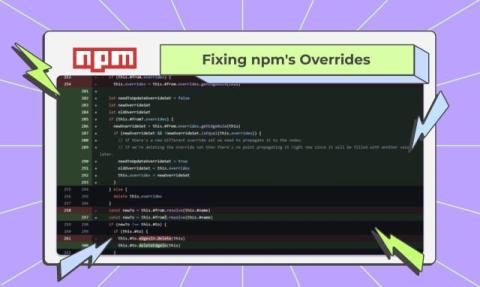
The mysterious supply chain concern of string-width-cjs npm package

This story starts when Sébastien Lorber, maintainer of Docusaurus, the React-based open-source documentation project, notices a Pull Request change to the package manifest. Here’s the change proposed to the popular cliui npm package: Specifically, drawing our attention to the npm dependencies change that use an unfamiliar syntax: Most developers would expect to see a semver version range in the value of a package or perhaps a Git or file-based URL.

My CUPS Runneth Over (with CVEs)

The Common Unix Printing System (CUPS), a standard component in nearly every Unix-like and Linux system, has recently come under scrutiny due to a series of critical vulnerabilities discovered by security researcher Simone Margaritelli. These issues, collectively known as the CUPS vulnerability, expose Linux and Unix environments to potential remote code execution and information disclosure risks.