Mailchimp
Not subscribed to OpsMatters Newsletter


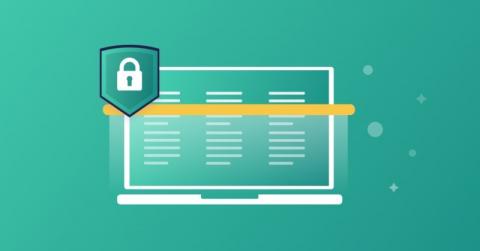
File integrity monitoring is essential for information security because it helps quickly identify unauthorized changes to critical files that could lead to data loss and business disruptions. File changes may be your first or only indication that you’ve been hacked in a cyberattack or compromised through errors by staff or system update processes.
Containerization describes the creation of a self-contained computing environment that runs on a host machine and any operating system (OS) with an available container runtime engine. Built from an image, a container holds an app and the filesystem alongside configurations, dependencies, binaries, and other specifications needed to run it successfully. Containers are typically much smaller than virtual machines and run in the host’s OS rather than containing OSs themselves.
You hear a lot about shifting your application security (AppSec) left – in other words, shifting AppSec to the beginning of the software development lifecycle (SDLC). While we firmly believe that you should continue scanning in development environments, that doesn’t mean that you should neglect applications that have been deployed to or staged in runtime environments.
Financially motivated adversary groups executing ransomware attacks have rightfully gotten our attention in recent years. Similar to Lulzec, there’s a new group catching attention with different motivations, targeting larger organizations.
Economic Denial of Sustainability (EDoS) is a cybersecurity threat targeting cloud environments. EDoS attacks exploit the elasticity of clouds, particularly auto-scaling capabilities, to inflate the billing of a cloud user until the account reaches bankruptcy or large-scale service withdrawal. EDoS attacks exploit the cloud’s economies of scale to disrupt or discontinue the availability of cloud services and infrastructure that support applications, systems, and corporate networks.
In March 2021, Netflix users logging into shared accounts reported seeing a message on the service telling them, “If you don’t live with the owner of this account, you need your own account to keep watching.” At the time, the affected users had to input a multifactor authentication (MFA) code sent via SMS or email to regain access.