Mailchimp
Not subscribed to OpsMatters Newsletter


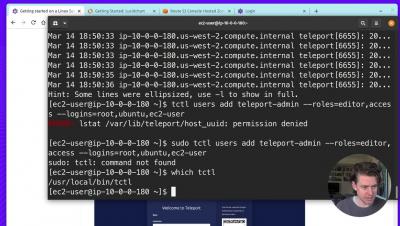
0:00 Introduction
1:10 Install Teleport on Root Cluster
5:33 DNS
6:36 Configure Teleport
10:17 Create Teleport User
14:09 Have Fun with Teleport
Everyone is at risk of a data breach or cyber attack, no matter how small or large a company is. Hackers and cybercriminals come up with new ways every day to steal sensitive information or personal data that they can potentially sell or ransom for money. According to a report published by the Identity Theft Resource Center (ITRC), a record number of 1862 data breaches occurred in 2021 in the US.
The first few months of 2022 have brought with them plenty of breaches and vulnerabilities for threat experts to sink their teeth into; in March alone, Microsoft has patched 71 CVEs, two of which, CVE-2022-22006 and CVE-2022-24501, were deemed critical–but more on those later. Meanwhile, cloud-based software company Okta has suffered a cyber-attack, believed to be at the hands of threat actor “Lapsus$”, which has put thousands of its 15,000 customers on high alert.
On April 28 and April 30, respectively, WhiteSource Diffend identified, blocked, and reported two packages we deemed were malicious versions of original Amazon Web Services (AWS) packages. Whitesource security experts have reached out to contacts at Amazon to notify them of our findings. This discovery may point to a new takeover method that targets packages of well-known origins, in this case, AWS.
In the past, I’ve written about digital privacy and how much data we leak through our day to day interactions. I think this is an important topic to consider and really focus on and it is an element of cybersecurity at both the enterprise and personal level that isn’t discussed enough.
Application innovation, design, development, quality assurance, and security testing have changed dramatically over the past decade. Engineering teams are leveraging agile development processes, modern cloud platforms, reusable microservices, and extensible APIs, enabling them to shift to more frequent deployments more easily.