Mailchimp
Not subscribed to OpsMatters Newsletter


This is the fourth, and final, part of a four-part blog series covering each of the four phases of the merger & acquisition (M&A) process and how you can build security into each phase. In case you missed them, Part 1 covered why it’s important to integrate security into the due diligence process in the first phase of M&A, Part 2 covered integration planning and public announcement, and Part 3 covered what you can expect on “Day One,” after a merger or acquisition closes.
Ransomware is a (sad) fact of corporate life. 61% of businesses were impacted by cyber criminals in 2020, peaking at more than 900 attacks per organisation in 2021. Remote working is only making organisations more vulnerable. A recent study also found that the average attack costing its victims $5.3m. It’s no wonder ransomware is near the top of every CIO’s worry-list. In our last blog, we looked at how best to plan for tomorrow.
Using open source libraries securely is an ongoing priority at large organizations. One big challenge is integrating security tools into the developer workflow — and setting up a system that prioritizes vulnerability fixes — without overwhelming developers. But what does a successful approach look like?
Every day, cybercriminals are seeking new techniques to extract data and infiltrate networks; one of these techniques is data exfiltration. To prevent these kinds of cyber threats, we must learn how data exfiltration works, the methods used to execute attacks, and how companies can secure their network from further data breaches. Let’s take a closer look.
We recently hosted a live discussion covering emerging trends within the cloud security space, primarily reflecting on how organizations could adopt a posture of continuous security and compliance across their SaaS applications. Continue on below to view the highlights from this discussion.
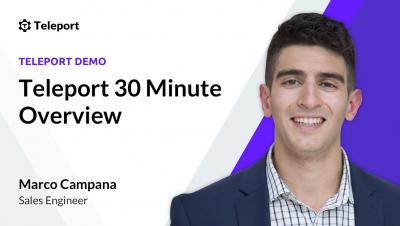
0:00 Intro
1:00 Architecture Overview
3:00 Single Sign On Integration
5:00 Teleport Server Access
7:00 tsh and session recordings
9:00 Teleport App Access
11:00 RBAC Mapping
12:05 Teleport K8s Access
15:00 Teleport DB Access
18:00 Teleport RDP Access
22:00 Access Requests
24:00 Teleport Slackbot
26:00 Active Session Joining
27:00: Trusted Clusters
28:00 Open Source vs Enterprise
Your organization purchased Splunk Cloud Platform some time ago. Your environment is ingesting dozens of data sources and your team has expert level SPL skills. You've created easily consumable dashboards and reports for many different types of stakeholders and you've mastered alert fatigue. Your organization's return on investment both in Splunk and Splunk education is paying large dividends in terms of time saved managing threats and improved operational efficiency.
ManageEngine is the proud winner in seven categories of the Information Technology World Awards, the IT industry’s premiere excellence award program. We are honored to be recognized by the only complete IT recognition and achievement award program that covers all the facets of the IT industry. More than 170 judges consisting of industry experts in IT and cybersecurity from around the world were a part of the jury.