Mailchimp
Not subscribed to OpsMatters Newsletter


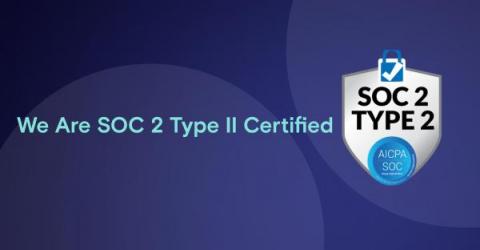
Security of our platform and customer data has always been a core focus at Zenity and a north star that we continue to follow, and today we’re excited to announce that we are now SOC 2 Type II certified. This certification demonstrates Zenity’s commitment to ensuring the security of our systems and the data of our customers and partners.
In a previous post, our team shared our Three Best Practices for Building a High-Performance Graph Database. That was written two years ago, when CrowdStrike Threat Graph® was processing billions of events per day and storing a few petabytes of data. Fast forward to today: CrowdStrike Threat Graph now stores over 40 petabytes of data and handles trillions of events per day while routinely serving upward of 70 million requests per second.
At AWS re:Invent 2022, CrowdStrike is announcing expanded service integrations with AWS to provide breach protection across your AWS environment, simplified infrastructure management and security consolidation. Visit us at Booth 109, Nov. 28-Dec. 2 in Las Vegas, to learn more about our comprehensive integrations with AWS.
With the continual increase of attacks, vulnerabilities, and misconfigurations, today’s security organizations face an uphill battle in securing their cloud environments. These risks often materialize into unaddressed alerts, incidents, and findings in their security products. However, part of the issue is that many security teams are often stretched too thin and overburdened by alert fatigue.