Security | Threat Detection | Cyberattacks | DevSecOps | Compliance

Monitoring AI Agent Behavior in Production

Monitoring AI agents in production is a fundamentally different problem from monitoring traditional software or even generative AI models. Because agents run autonomously, chain multi-step reasoning across tools and systems, and change behavior as their underlying models evolve, standard software metrics like uptime and CPU utilization miss almost everything that matters. ‍

Assessing Third-Party AI Vendor Risk Before It Becomes a Problem

Every SaaS tool your organization onboards now carries a hidden layer of AI risk. The chatbot on your CRM, the transcription service your sales team runs, the code assistant embedded in your IDE. Each one processes company data through models you did not build, in ways your vendor questionnaire was not written to catch. Traditional third-party risk management was designed to evaluate infrastructure, access controls, and data handling.

Access Control Models Explained for Modern Security Teams

Most guides tell security teams to pick an access control model and move on. That advice breaks down in real environments, because the hard part isn't naming the model, it's keeping least privilege, auditability, and enforcement aligned as identities, attributes, and relationships keep changing across SaaS, cloud, endpoints, and network gear. In practice, the winners are the teams that treat access control as an operating discipline, not a diagram in an architecture deck.

Thousands of Exposed Fuel Gauges Just Left the Internet

Most of the exposure research we publish goes one way. We count some category of internet-exposed devices, the number is bigger than you hoped, and it is climbing. Webcams. Industrial control systems. NTP servers old enough to vote. The story is almost always "there is more of this exposed than there should be, and it is getting worse.".

Software for Non-Profits Canada: Top 5 Platforms to Scale Your Mission

Operating a registered charity or non-profit organization in Canada involves navigating complex daily workflows, maintaining accurate record-keeping, and adhering to Canada Revenue Agency regulatory compliance. Beyond meeting administrative standard procedures, teams must coordinate volunteer management, manage communications, and maintain complete operational oversight to build long-term donor accountability. Choosing the right digital platform plays a central role in driving staff efficiency, optimizing response times, and maximizing overall customer satisfaction.

How to Connect Claude to Jira Securely Without Giving AI Unrestricted Access

Teams are connecting Claude to Jira to summarize issues, draft tickets, and answer sprint questions in seconds. The productivity gains are real, but so is the security risk. The problem is simple: a direct connection gives Claude the same permissions as the person who set it up. If that user can view confidential projects or delete issues, so can Claude. There's no business logic in between deciding what AI should and shouldn't touch. Most organizations don't want to ban AI.

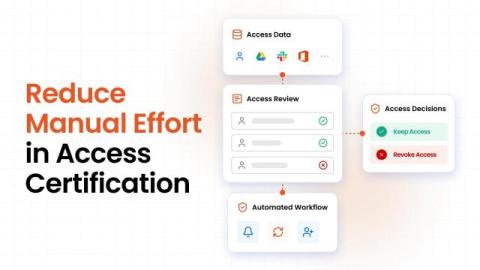
Jira Access Reviews: How to See Who Has Access to Every Project, Before an Auditor Asks

If you’ve managed Jira for a while, you've probably seen permissions grow more complex over time. You might have accounts that were granted temporary access during a migration but are still retaining it today. Or maybe contractors whose access was never revoked. You can clean that up. But with hundreds of users and projects, it’s going to take forever. Things become even more complicated when you're preparing for a SOC 2, ISO 27001, or SOX access review.

Best API Frameworks in 2026: How to Choose the Right One (and What Most Teams Miss)

Framework choice isn’t really about syntax or GitHub stars. It’s a multi-year commitment that shapes architecture, team habits, hiring, and how painful your next migration will be. Frameworks decide your architecture by default, whether you choose it or not. Some frameworks default to synchronous request handling; others assume non-blocking IO from day one. Some nudge you toward a monolith; others push you toward services that split naturally.