Connecting with the community at BSides Atlanta 2023
Dive into BSides Atlanta 2023, the largest free security event in the South! Explore insights from top security professionals on Web3.0, cloud vulnerabilities, and more.


Dive into BSides Atlanta 2023, the largest free security event in the South! Explore insights from top security professionals on Web3.0, cloud vulnerabilities, and more.
Just Imagine! You have just downloaded a highly anticipated mobile application that promises to simplify your daily tasks. You have heard positive reviews about its functionality and efficiency. As you eagerly tap on the app icon, your excitement turns into frustration. Glitches, crashes, unexpected errors, etc., greet you at every turn. This frustrating experience is a stark reminder of the critical role software testing plays in our digital lives.
In September 2023, cybercriminals launched an extensive ransomware attack that disrupted several major businesses in the Las Vegas Casino Business/District. The attack shook the city and stopped consumer goods and services for several hours. The attack influenced security, visitor services, and financial activities. Businesses lost money and long-term reputational risks ensued.
Not all hackers are bad. A subset known as white hat hackers, or ethical hackers, use their knowledge and skills for good, testing companies' defenses and discovering vulnerabilities for them.
In recent years, blockchain technology has garnered significant attention thanks to its remarkable tamper-proof features and robust security. It is also expected that the blockchain technology market will exceed 1.2 billion US dollars by 2030, with an annual growth rate of 82.8 percent. However, recent headlines have exposed numerous vulnerabilities and cyberattacks targeting blockchain technology.
The past half-decade has been a particularly tumultuous one for cybersecurity. It has borne witness to some of the most damaging attacks in history, unprecedentedly high data breach rates, and a staggering number of emerging threat groups. However, a new report from cyber insurance provider Coalition suggests that things are beginning to stabilize.
According to a recent Yerbo survey, 40% of IT professionals are at high risk of burnout. In fact, and perhaps even more alarming, 42% of them plan to quit their company in the next six months. And yet, according to Deloitte, 70% of professionals across all industries feel their employers are not doing enough to prevent or alleviate burnout. CIOs should take this statistic seriously.
Within your incident response plan, there typically is (or should be) a trigger to notify your executive team of an impending crisis. While many organizations believe they’ve worked out the logistics of gathering leadership on the phone, getting decisions made, and garnering their support for your proposed response plan, they often find out in the heat of an incident that the leadership team is miles apart in your understanding of what happens next.
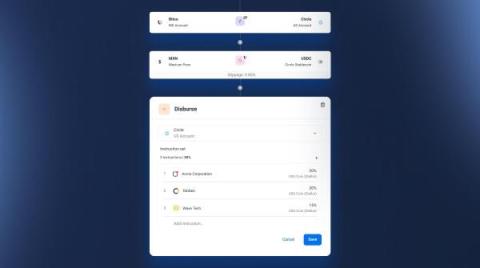
Fireblocks is proud to announce the latest enhancement to our Payments Engine – the Dynamic Payment Flow Builder. The new point-and-click interface enables businesses to configure custom payment flows to suit their use case, or leverage our pre-built cross-border, merchant settlement, and payout flows to orchestrate instant fiat and stablecoin settlements. Best of all, no coding is involved, so operations teams without engineering resources are empowered to utilize this feature easily.