Security | Threat Detection | Cyberattacks | DevSecOps | Compliance

Compliance work is overdue for a new approach

Compliance has traditionally lived in dashboards, spreadsheets, screenshots, audit packets, and point-in-time reviews. Security teams know the reality is more dynamic. The evidence auditors need is often buried across identity providers, endpoints, cloud platforms, network controls, vulnerability scanners, alerts, and custom application logs — all generating live operational telemetry that static tools struggle to keep up with.
How to Validate Policy-as-Code Without Breaking Builds (Even When AI Writes the Code)

Picture two realities for the same compliance control reaching production. Reality One: Your AppSec team writes a new rule. An engineer uses Claude Code or Cursor to generate the OPA (Open Policy Agent) Rego policy in minutes. They deploy it. It blocks a legitimate release on a missing context variable, and the on-call engineer routes around the gate to ship the code. The AI gave them fast code — but not code they could trust.

How to Detect and Prevent AI Insider Threats

The rapid adoption of generative AI has transformed enterprise productivity, but it’s also quietly introduced a new, sophisticated vulnerability: the AI insider threat. For years, securing the internal perimeter meant watching for data exfiltration via USB sticks or unauthorized emails. Today, the risk looks entirely different.

The 2026 DBIR says the quiet part loud: fundamentals still win

Every year, the Verizon Data Breach Investigations Report (DBIR) is one of the most hotly-anticipated and widely-read documents in security. And every year includes some surprising stats and reshuffles the top few threat vectors. But longtime readers will notice that the 2026 DBIR features some advice that ought to be familiar to everyone by now: get the basics right.

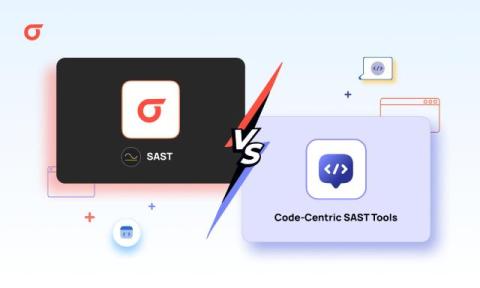
Appknox vs Code-Centric SAST Tools: What Source Code Analysis Cannot See in a Mobile App

Your source code passed every scan. Every code review approved. Every linter ran clean. Your users just downloaded the compiled binary. Those are not the same artifact. Code-centric SAST tools analyze the code you write. Appknox analyzes what you ship. This is not a feature distinction. It is an architectural one, with direct consequences for what gets caught and what does not.

Vulnerability Remediation Takes More Than Just an AI Agent

AI agents can investigate a single vulnerability brilliantly, but that is only about 20% of vulnerability remediation. This post breaks down the other 80%: the data normalization, cross-tool asset identity, SLA enforcement, exception governance, and audit evidence that turn individual agent outputs into a governed, provable remediation program, and why AI and a platform like Seemplicity work better together than apart.