Security | Threat Detection | Cyberattacks | DevSecOps | Compliance

Why Restricting AI Code Security Tools Is the Wrong Answer - and What AppSec Programs Actually Need

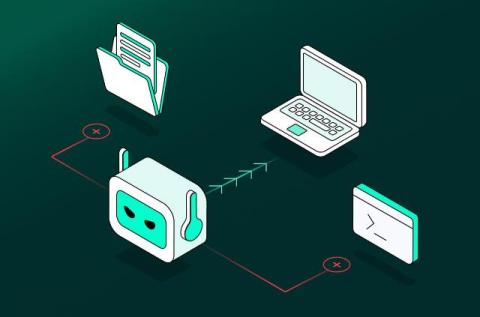
I signed the Free Fable letter at freefable.org. I want to explain why — and why the reasoning behind it matters for AI code security beyond any single AI model. Cybersecurity defenders are not just critics of technology. We are the builders and operators of the systems that keep real organizations running under pressure.

We wrote the docs

Most security vendors hide their documentation behind a login. Some don’t write it at all. You get a sales page, a demo, and a request to install an agent on your servers, and you’re expected to trust that the thing does what the marketing says. That’s backwards. So we wrote the docs, and we put all of them at certkit.io/docs. No login, no account gate, no “contact us for details.” You can read every page before you create an account.

The Howler Episode 31 - Trisha Farrow

This month, we sit down with Trisha Farrow, our Senior Vice President of People and Facilities. In this episode, Trisha Farrow shares the heart behind her leadership—why human connection, courage, and curiosity matter more than ever in a fast-changing world. From building inclusive cultures to navigating AI in HR, she offers a powerful perspective on what it really means to lead people, not just processes.

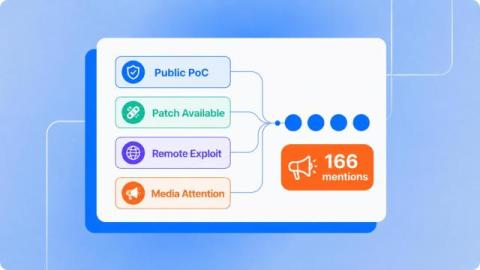
Inside CVE-2026-53435: Authenticated Deserialization to Full Controller Takeover in Jenkins via config.xml

How a low-privileged account turns an XML configuration upload into arbitrary file read, user impersonation, and remote code execution — and how to detect and stop it. Published 16 June 2026 · Fact-checked against the official project advisory and government vulnerability databases.

1Password + Kiro: Trusted Access for AI-Powered Development

AI agents now write code, fix bugs, and ship to production. But in order to do useful work, agents require credentials. At 1Password, one of our core AI security principles is that raw credentials should never be directly exposed to LLMs, but all too often, that’s exactly what happens: most teams sacrifice security for speed and hand agents secrets in plaintext.

Bringing more agent harnesses and frameworks to Cloudflare, starting with Flue

2026 is the year agent harnesses go to production. The software that controls the model’s access to the outside world — harnesses like Codex, Claude Code, OpenCode, Pi, and Project Think — has matured to the point where teams are deploying agents as real, load-bearing infrastructure, not just prototypes. But building agents that survive production is hard.