Security | Threat Detection | Cyberattacks | DevSecOps | Compliance

SIEM or XDR? Yes

Same logs, two places, overlapping outcomes. It's time to rethink the SIEM vs. XDR question. In my last blog, I asked where XDR fits into the SIEM-less conversation. To answer that, start with the endpoint. If every threat could be stopped there, there would be less need for detection and response products such as endpoint detection and response (EDR). But attackers got better at evading even the most robust endpoint security, for example by abusing dual-use tools in living-off-the-land (LOTL) attacks.
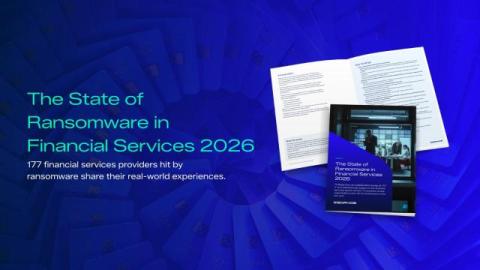
The State of Ransomware in Financial Services 2026

This year’s State of Ransomware survey showed financial services and insurance providers handing over less money to attackers than it did a year ago. Median ransom demands fell by two-thirds and median payments continued a three-year slide. The recovery story was less positive. The sector took a week longer to recover than last year, and its typical recovery bill is double the median across all sectors.

Black October? What PHP2Shell Tells Us About the Future of Vulnerabilities

October was a busy month for AI and security, with the story that got the most attention being PHP2Shell. On 20th October the PHP security team announced an out-of-cycle release for two critical remote code execution flaws in the PHP interpreter (CVE-2026-109618 and CVE-2026-109619), affecting every version of PHP, from 5.4 through 8.5.

Stop Destructive AI Agent Commands Before They Run | Cato AI Security

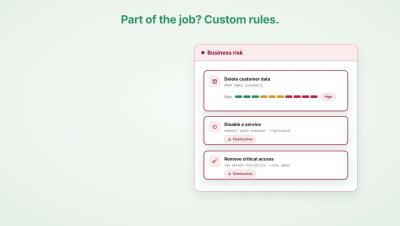
Coding agents now have real access to cloud resources, code repositories and identity systems. That access brings a new kind of risk: a single unclear request, or an attacker who takes over the agent, can trigger actions that are hard or impossible to undo. That’s why Cato now detects destructive commands before they execute.

What our customers say about LimaCharlie

We asked the people who run security on LimaCharlie what changed for them. Nothing here is scripted. "The thing that took the human 16 hours takes the coding agent six minutes." "We put our AI agent through what we call SOC school. And now we're at the point where that AI agent is serving as that tier 2 analyst reliably." "It's literally everything that we wanted.".

Self-Managed Keeper Brings Zero-Trust Privileged Access Management to Air-Gapped and Critical Infrastructure Environments

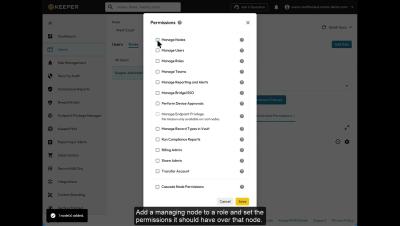
Keeper Security, the leading zero-trust and zero-knowledge identity security platform, today announces Self-Managed Keeper, a new self-hosted deployment option that brings Keeper’s core Privileged Access Management (PAM) capabilities to environments where external cloud connectivity is restricted, unavailable or prohibited.

Agents aren't humans (but they kinda are)

AI Agents now act on the web for millions of people. To a Site, an Agent can take many forms. It may be indistinguishable from a human user carrying out a task, or it might look like one visitor carrying many Users. This removes the ability for the Site to recognize, serve, and hold accountable the user or users behind the Agent, and causes the Site to face the costs when something goes wrong.