AEC project teams are using point cloud data to enhance their BIM projects. By importing point cloud data into their CAD software, they can get a more accurate representation of the buildings and landscapes they are working on. This can help with design, construction, and even marketing efforts.
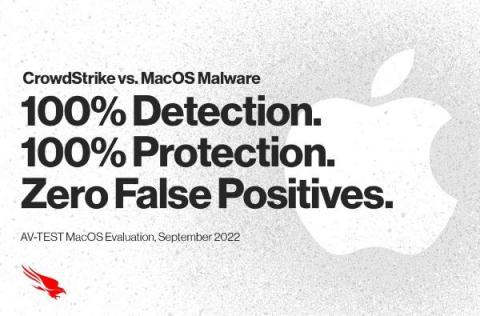
As organizations increasingly face malware attacks that target macOS, detecting and preventing attacks without disruption caused by false positives and false warning messages is increasingly important. That’s why we’re proud to share that the CrowdStrike Falcon® platform once again achieved 100% detection and prevention of macOS malware with ZERO false positives in the latest AV-TEST macOS evaluation.
Digital transformation is no longer a new concept – various business functions have already embraced cutting-edge technology to stay ahead of the curve. From IT, sales, and marketing to customer support and even finance, it is evident that most departments understand how integral the transformation is to gain a competitive advantage and continue to win customers. However, when it comes to Governance, Risk management, and Compliance (GRC), most are still stuck with archaic, ad-hoc processes.
Testing practices have been shifting left in the software development process due to the growing challenge of developing and delivering high-quality, secure software at today’s competitive pace. Agile methodologies and the DevOps approach were created to address these needs. In this post, we’ll map out the basics of shift-left practices in the DevOps pipeline and discuss how to shift left your open source security and compliance testing. Contents hide 1 What does shift left mean?
Operational Technology (OT) security has been thrown into the spotlight in the wake of several recent high-profile supply chain attacks targeting critical infrastructure. Security incidents such as the Colonial Pipeline attack have re-established the critical significance of Operational Technology Security, especially for the global power and energy sector.
There have been several reports of counterfeit passports. But what does a document verification for passport reveal? A passport is regarded as one of the most reliable sources of personal information. Passport verification checks the candidate’s personal information on the passport verification documents. It does not validate fraudulent passport issues, but just tampering with personal information to verify passport number and the passport MRZ code.
A rootkit is a malicious software program that helps cybercriminals infiltrate a system and take control. Hackers use rootkits to carry out espionage, data theft, deploy other malware such as ransomware, and all without leaving a trace. Once a rootkit is installed on a device, it can intercept system calls, replace software and processes and be part of a larger exploit kit containing other modules such as keyloggers, data theft malware, or even cryptocurrency mining malware.