Cybersecurity Talent Shortage 2025: How Offshore Teams Are Filling the Skills Gap

The cybersecurity landscape has reached a critical inflection point. As cyber threats evolve at an unprecedented pace, organizations worldwide are facing an acute shortage of skilled professionals to defend their digital assets. This year, the workforce gap was 4,763,963 people-a 19.1% increase from 2023, according to the 2024 ISC2 Cybersecurity Workforce Study.

Featured Post

Manufacturing's Hidden Cyber Threat: The Growing Danger of Unsecured Machine Identities

The wave of smart manufacturing is sweeping across the industry, bringing with it a seismic shift that is characterized by hyper-connectivity, relentless automation and unprecedented data-driven precision. However, manufacturing plants and factories are not just filled with machines; they're teeming with thousands of non-human identities (NHIs) from robotic arms and programmable logic controllers (PLCs) to IoT and IIoT sensors seamlessly integrated through the production lines. While they drive operational efficiency, they also represent a rapidly expanding and often invisible attack service.

Boost compliance: proven controls best practices

Organizations face significant challenges when it comes to ensuring that their day-to-day operations align with both their internal objectives and the requirements of multiple compliance frameworks. Controls best practices provide a structured methodology to convert the organization’s goals into actionable items that mitigate risks, secure valuable assets, and foster accountability.

How Trust Centers and AI are replacing security questionnaires and accelerating B2B sales

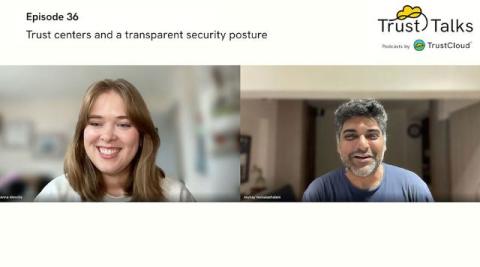
As Anna say in the podcast, “Security reviews show up just when you think the deal is about to close. It’s like a final boss that no one wants to fight.” The last-mile friction caused by security diligence isn’t new, but it’s becoming more painful as deal cycles tighten and expectations around transparency rise. Buyers want answers faster. Vendors want to close faster. And security teams, stuck in the middle, are often left juggling risk, reputation, and revenue timelines.

Seven Best Practices for Privileged Access Management

Privileged accounts are high-value targets, and without the right controls, they can become your biggest security risk. In this video, we break down seven best practices for Privileged Access Management (PAM) that help protect sensitive systems, enforce least privilege and reduce the chances of unauthorized access.