In today’s economy, digital assets (applications, data, and processes) determine business success. Cloud-native applications are designed to iterate rapidly, creating rapid time-to-value for businesses. Organizations that are able to rapidly build and deploy their applications have significant competitive advantage.
The Internet of Things (IoT) is a term used to describe a system of interconnected computing devices that use the internet to send and receive data without requiring human to computer or human to human coordination. The world of IoT encompasses a wide variety of technologies, vendors, and connectivity methods. While cameras, smart kitchen appliances and smart locks often come to mind, IoT devices are prevalent in all industries.
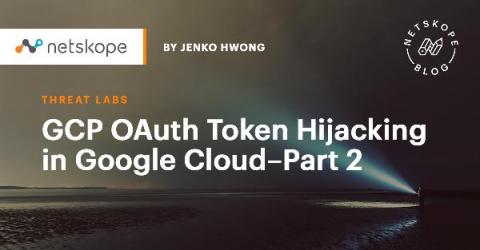
Imagine you’ve protected your production Google Cloud environment from compromised credentials, using MFA and a hardware security key. However, you find that your GCP environment has been breached through the hijacking of OAuth session tokens cached by gcloud access. Tokens were exfiltrated and used to invoke API calls from another host. The tokens were refreshed by the attacker and did not require MFA. Detecting the breach via Stackdriver was confusing, slowing incident response.
The bariatric surgery market is growing year over year in the United States, from 158,000 surgeries in 2011 to 252,000 surgeries in 2018. Over the last decade, weight loss surgery demand has increased, leading to a boom in the number of clinics offering these procedures. Blossom Bariatrics has become one of the premier bariatric surgery clinics in the Las Vegas area. They provide surgical treatment options for weight loss, plus hernia, gallbladder, and anti-reflux surgeries.
When is hacking legal? Host and security researcher Laura Kankaala delves into this topic with guest and Detectify General Counsel Cecilia Wik. NOTE: this episode does not give any official legal advice, but Laura picks Cecilia’s brain about the legalities of hacking with her area of expertise, the law. Their discussion covers different laws concerning the information security community such as copyright law, the Computer Fraud and Abuse Act and Wire Fraud Act.
Security teams can’t defend what they can’t see. As organizations move more workloads to the cloud, security teams need added visibility into these new workloads or risk having blind spots that lead to compromise. In the first installment of our "Getting Data In" webinar series, "Modernizing your SOC for the Cloud Age Starts with Security Foundations," we demonstrate how to quickly and easily onboard data into Splunk Cloud.